
Supported by

Background

Tourism today is much more than sightseeing. Travellers increasingly seek authentic local culture, meaningful connections, and experiences that create lasting benefits for communities and the environment. Guided by the Government’s Development Blueprint for Hong Kong’s Tourism Industry 2.0, which promotes cultural, ecotourism and immersive travel experiences, and supported by the development of the Northern Metropolis’ Blue and Green Recreation, Tourism and Conservation Circle, Hong Kong’s rural areas are entering a new era of opportunity.

In 2026, the Centre for Civil Society and Governance at The University of Hong Kong and Airbnb jointly launched the “Village Tourism in Hong Kong: An Incubation and Innovation Programme” that features three Masterclasses, two Field-based Immersive Workshops, and a Village Tourism Case Challenge. The Programme brings together individuals passionate about shaping the future of sustainable village tourism in Hong Kong to uncover the values of Hong Kong’s villages and transform them into meaningful visitor experiences.

More than nurturing talent, the Programme connects academia, industry and local communities to drive policy dialogue, knowledge exchange and applied research on sustainable village tourism.

Objectives
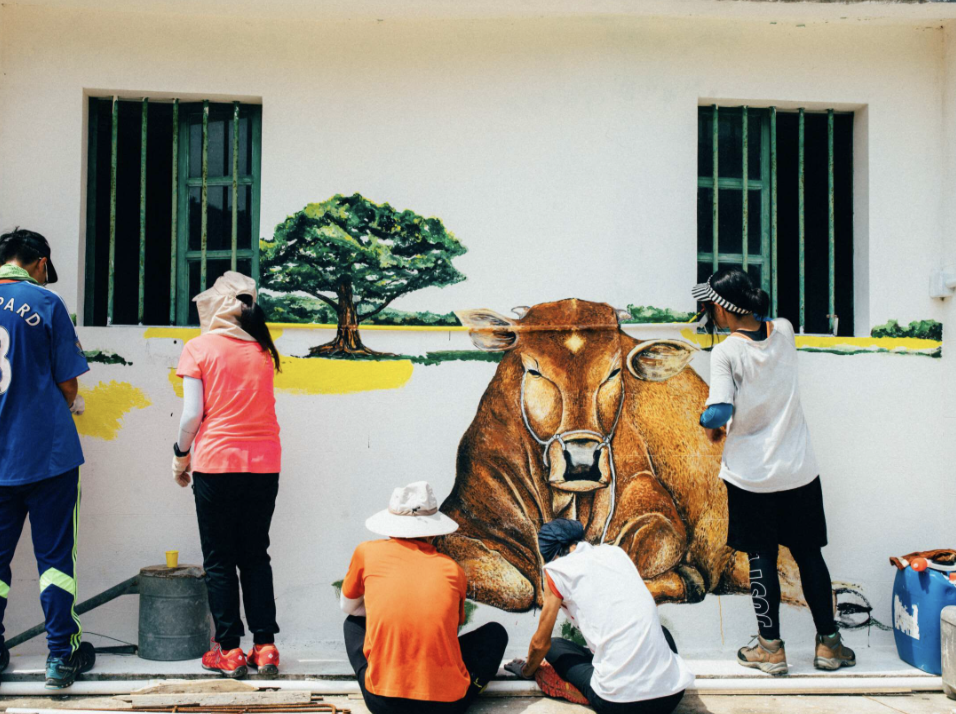
Volunteers painting a village wall mural of a tree and a cow
Nurture talent

with competencies in rural entrepreneurship, community-based hospitality, storytelling, business model, and impact innovation
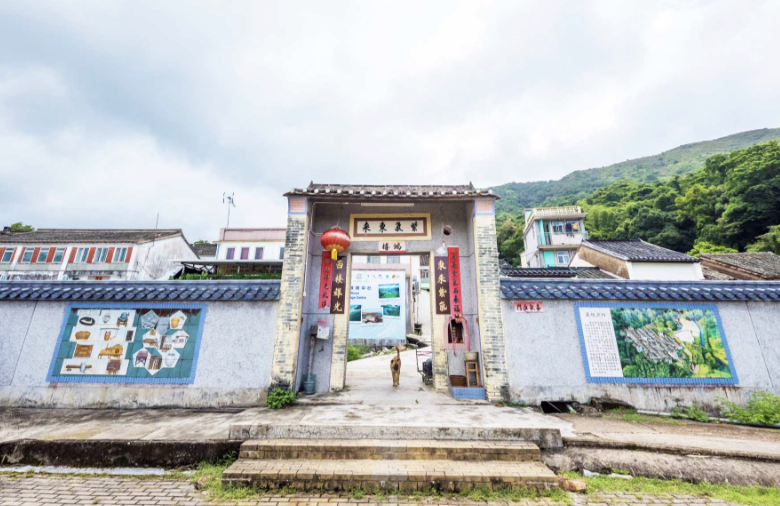
Entrance gate of a rural village, with murals along the walls
Translate assets

into market-ready tourism through co-development and testing of place-based concepts with communities, NGOs and industry partners
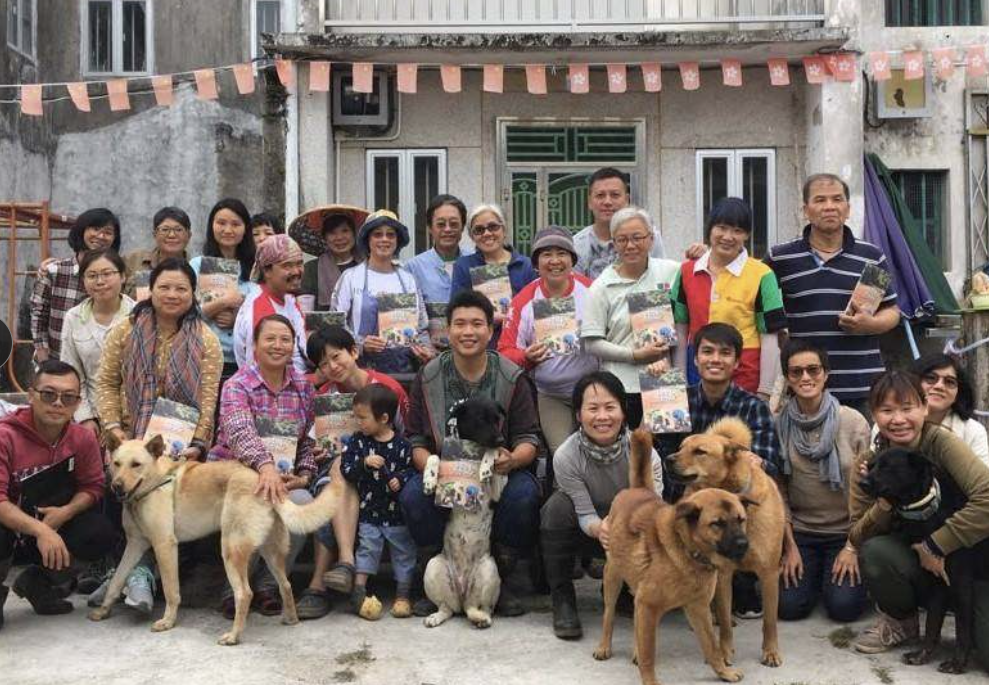
Villagers and visitors gathered with dogs in a village courtyard
Catalyse the ecosystem

by connecting communities, academia, platforms, business and industry stakeholders

Stage 1: Masterclasses

The Masterclasses will engage rural asset experts to introduce key concepts, tourism planning considerations and practical tools, and will be complemented by cross-disciplinary dialogues that bring together practitioners from complementary fields to unlock fresh perspectives on village tourism.

Stage 2: Field-based Immersive Workshops

The Immersive Workshops will enable participants to assess village contexts, community aspirations, operational constraints and environmental sensitivities first-hand, through site visits and fieldwork activities.

Participants may enter the Village Tourism Case Challenge individually or in teams. Participants will conduct an in-depth study of a Hong Kong village tourism destination, community, or issue of their choice and submit a Problem Statement. These problem statements may address service gaps, visitor experience challenges, underutilised rural assets, opportunities for local product development, community needs, or environmental management concerns. Up to five outstanding Problem Statements will be selected to receive an award of HK$2,000 as recognition of research efforts and to encourage further refinement of concepts.

Application

Join us if you are passionate about developing sustainable village tourism in Hong Kong: university students, young professionals, villagers, community-based operators, aspiring entrepreneurs, and young olds

Application Form: Click here

(Application deadline: 23 November 2026)

Important notes:
  • Applicants should be Hong Kong residents aged 18 or above.
  • Quota is limited. Participants will be selected based on their application information.
  • Village Tourism Case Challenge applicants must join at least two Masterclasses and at least one Immersive Workshop.

Fee

  • All Masterclasses are free to join.
  • Successful workshop applicants are required to pay a HK$400 registration fee to secure their place and cover part of the transportation expenses. The registration fee is non-refundable.

Application Method

Click here

Enquiry

For enquiries, please contact us at ruralsd@hku.hk / (852) 3910-2535 / (852) 3917-4910.

This Programme forms part of a research project conducted by The University of Hong Kong, which has been approved by the Human Research Ethics Committee (HREC Ref. No.: EA260777).

Supporting Organisations