


Hakka Villages within the Forest Landscape
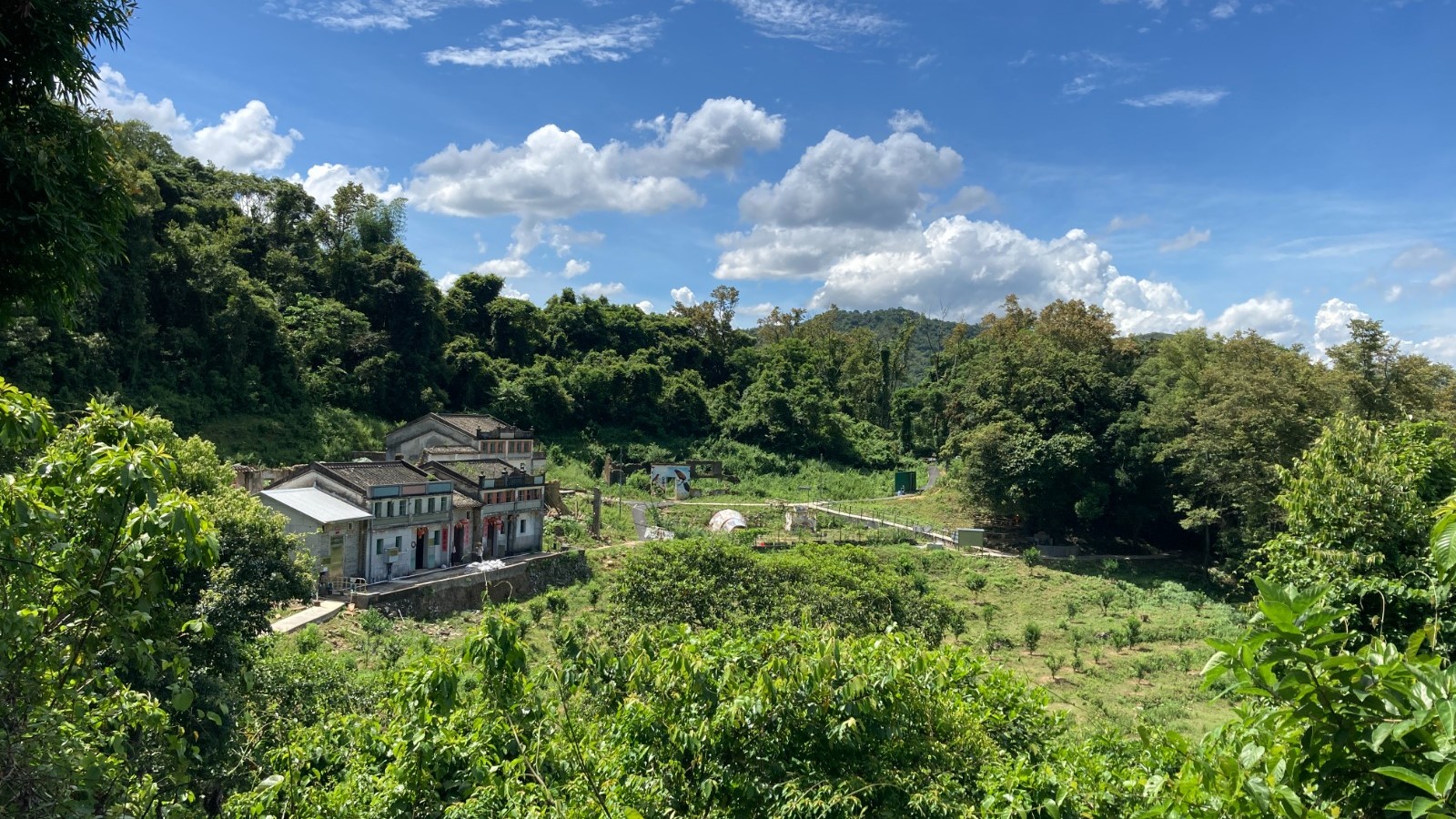
Mui Tsz Lam and Kop Tong are two Hakka villages situated on the northern slopes of Hung Fa Leng in northeastern New Territories, Hong Kong, surrounded by Plover Cove Country Park. Mui Tsz Lam was founded by the Tsang clan, while Kop Tong was established by the Fan clan. Both villages have a history of around three hundred years and belong to the Hing Chun Alliance within the Sha Tau Kok Ten Alliance regional network.
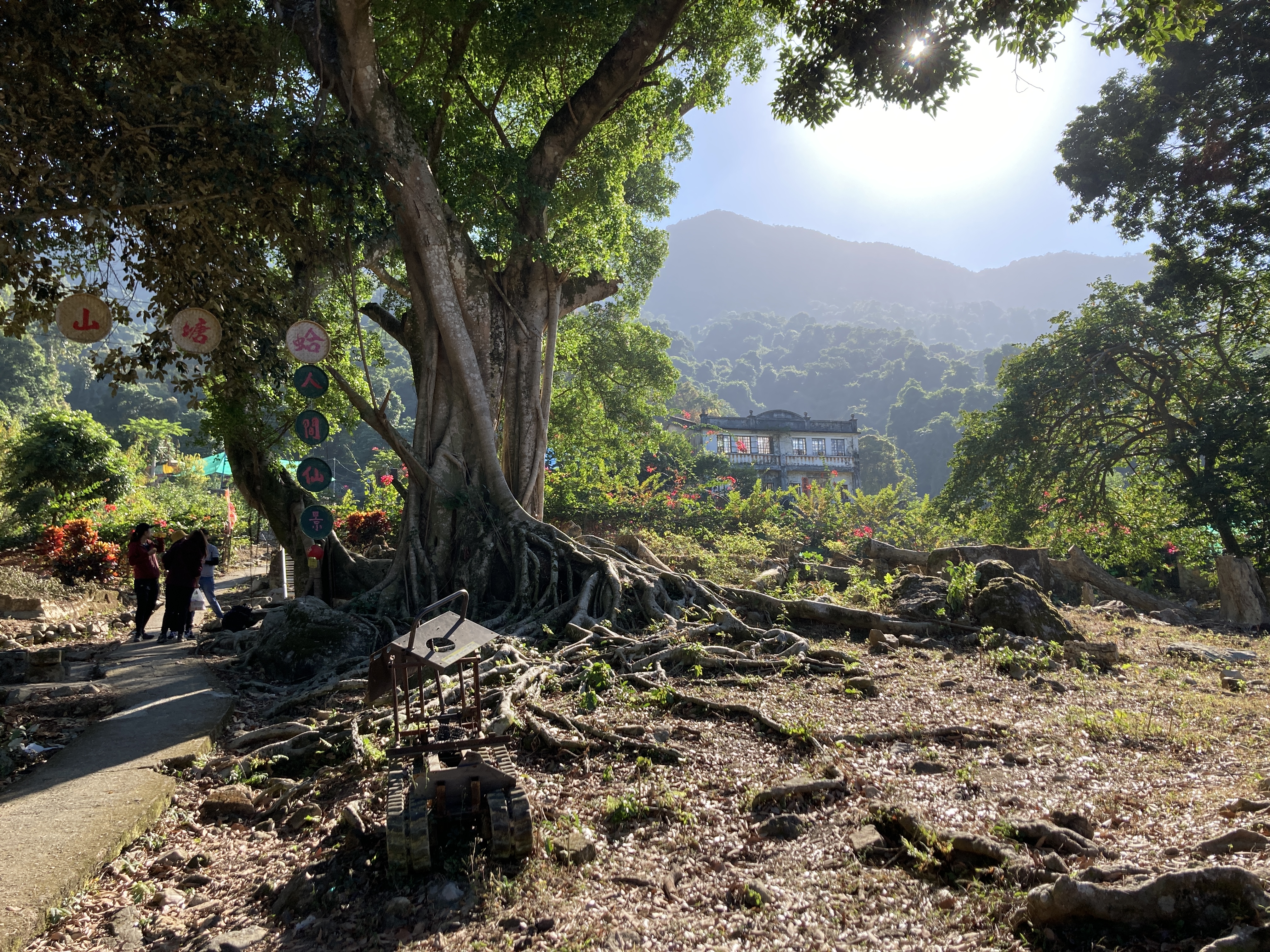
Mui Tsz Lam and Kop Tong are both places rich in natural resources. Located on the hillside along the upper reaches of mountain streams, the villages benefited from a humid microclimate with abundant water sources, once ideal for rice cultivation. Both villages exhibit the Feng Shui settlement pattern commonly found in South China — backed by mountains and Feng Shui Woods, embraced by hills on both sides, with streams flowing through the settlements and houses arranged according to the terrain. Mui Tsz Lam faces east while Kop Tong faces north. These carefully planned spatial arrangements reflect the environmental wisdom of the Hakka settlers in selecting village sites.
The diverse habitats surrounding the villages also provide important refuges for wildlife. Rare and protected species such as the Crab-eating Mongoose, Begonia, Common Birdwing, and White Dragontail have all been recorded in the area.
Village Life in the Past
Mui Tsz Lam was established in 1661 and
is the earliest founded village among the seven villages of the Hing
Chun Alliance. In 1662, the Qing government enforced the Evacuation
Order. Whether the villagers of Mui Tsz Lam temporarily evacuated or
managed to remain due to the village’s remote location is no longer
known. Kop Tong was founded later, in 1775, after the lifting of the
Evacuation Order.
In the past, villagers cultivated the
hillsides, levelled land, built river embankments and ancient paths, and
constructed terraced fields along the slopes. Rice and sweet potatoes
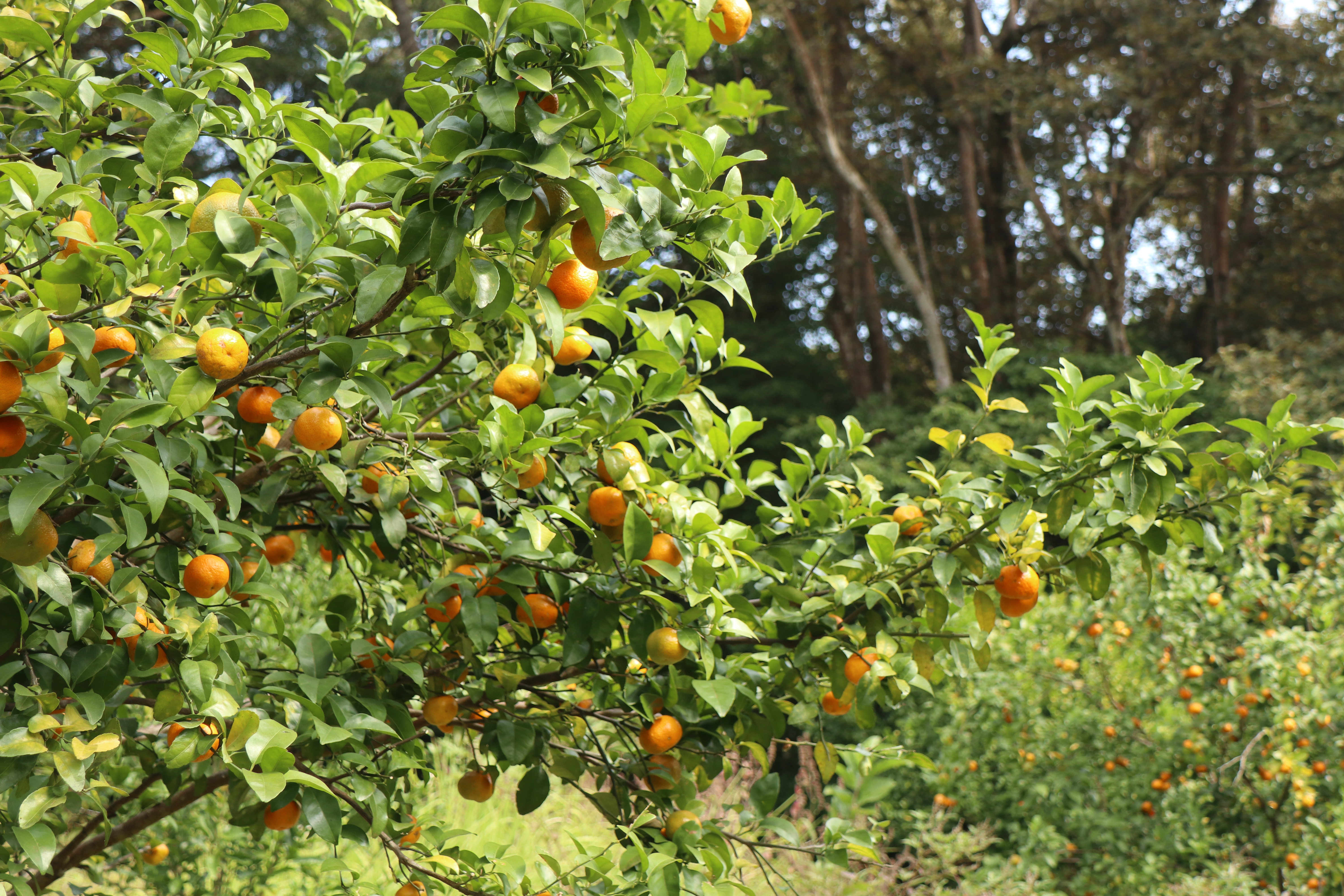
were grown on the terraces, while mandarin orange trees were once widely
planted as cash crops. Villagers also raised pigs, cattle, and
chickens, and fished in nearby waters using traditional net structures.
Harvested produce would either be traded with neighbouring villages or
sold at nearby rural markets.
In the early days, villagers
visited the Shenzhen market dominated by Cantonese-speaking communities.
By the early nineteenth century, as the Hakka population around Sha Tau
Kok increased, they instead participated in the Hakka-led market known
as Tung Wo Market. Based on this market economy, the Hakka villages of
Sha Tau Kok formed a larger regional alliance. Mui Tsz Lam, Kop Tong,
Lai Chi Wo, So Lo Pun, Sam A, Ngau Shi Wu, and Siu Tan together formed
the Hing Chun Alliance, the ninth alliance of Sha Tau Kok.
Beyond
economic cooperation, the alliance also jointly established schools,
built defensive infrastructure, and organized rituals such as the Da Jiu
Festival. Functioning as a mutual support network, the alliance played a
significant role in strengthening Hakka communities and contributed to a
century of regional prosperity.
The 1950s and 1960s marked the
peak population period of the two villages, each home to nearly one
hundred residents. From the 1970s onward, however, Hong Kong’s economic
transformation and urban development widened the gap between urban and
rural infrastructure and services. At the same time, economic reforms
and opening-up policies in mainland China reduced the competitiveness of
local agricultural products. Villagers gradually moved to urban areas
or emigrated to the United Kingdom in search of work, leading to the
gradual abandonment of the villages.
Formerly vibrant rural
settlements became peripheral to the rapidly expanding city. Yet because
of their remote locations and relative inaccessibility, the villages’
natural landscapes and traditional architecture were preserved. Today,
traces such as stone walls, terraced embankments, wells, and ancient
pathways remain as living heritage for future generations.
Present Situation of Mui Tsz Lam
Today,
Mui Tsz Lam no longer has permanent residents. However, in recent
years, overseas villagers returning to Hong Kong and retired villagers
returning to care for the settlement — together with volunteers — have
gradually brought life back to the village. Since 2017, villagers and
volunteers have cleared abandoned terraces, replanted mandarin orange
trees, and restored the village water supply by excavating ponds.
Following
the establishment of the Countryside Conservation Office in 2018, the
Hong Kong government resurfaced the footpath between Lai Chi Wo and Mui
Tsz Lam in 2019. In the same year, villagers successfully campaigned for
the restoration of electricity supply to both villages.
In 2019,
the “Heaven, Earth, and Humanity — Mui Tsz Lam Arts Revitalisation
Project” was launched under the “Community Co-creation” initiative of
the HSBC Rural Sustainability Programme organized by the Centre for
Civil Society and Governance. Organized by the Association for Sha Tau
Kok Culture and Ecology and co-organized by Travellers’ Map, the project
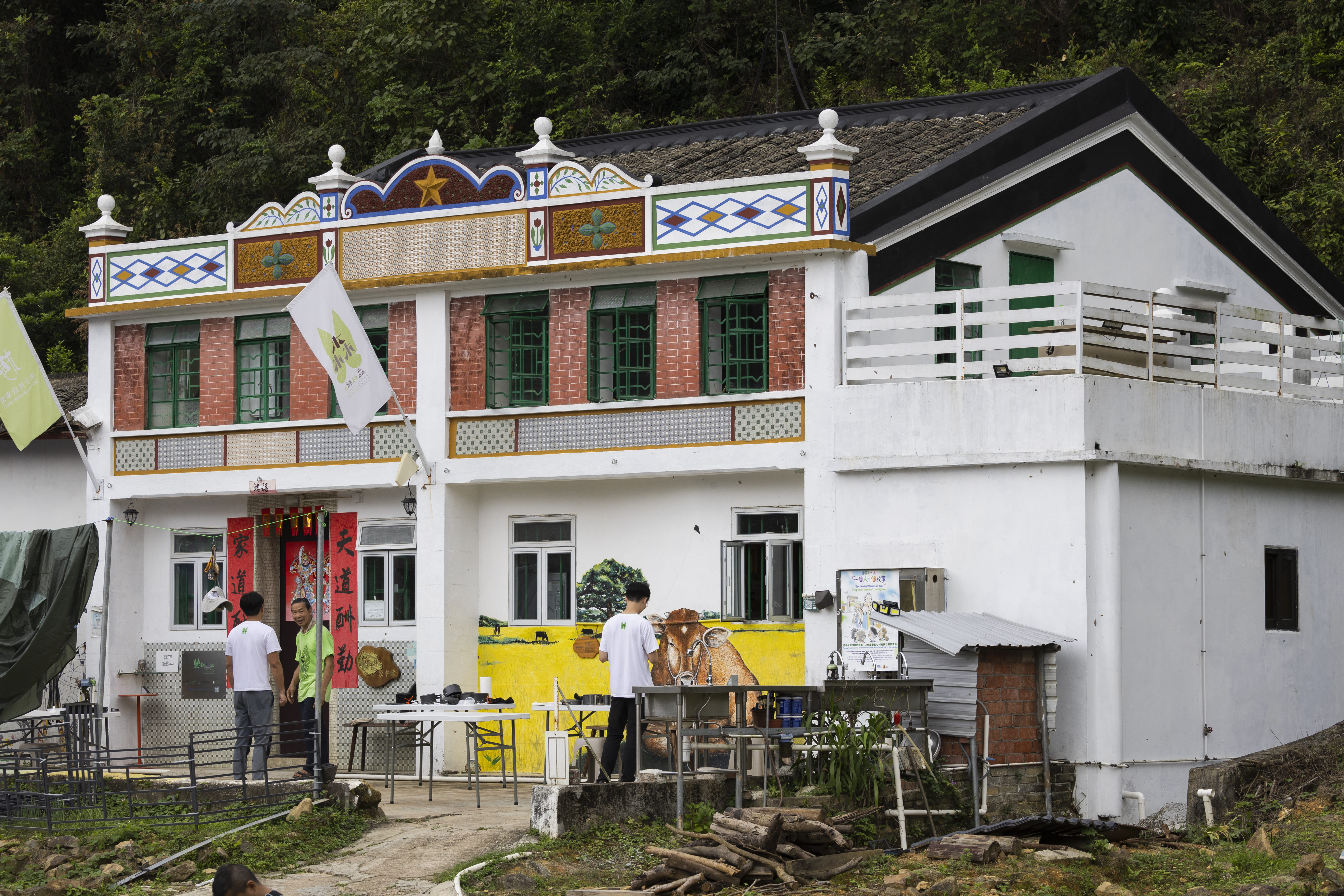
restored an old village house into the “Mui Tsz Lam Story House,”
coordinated collaborative mural creation between artists and villagers,
and regularly organized guided tours and workshops. Through these
activities, Mui Tsz Lam gradually entered the public eye.
Present situation of Kop Tong
In
Kop Tong, overseas villagers returned in 1990 to participate in the Da
Jiu Festival of the Hing Chun Alliance in Sha Tau Kok. Together, they
pooled resources to clear overgrown trees blocking village paths and
repair the ancestral hall. By 2015, two villagers had moved back to live
in the village once again.
Before electricity was restored, they
spent three years transporting heavy bags of cement up the mountain by
hand, rebuilding ancestral houses, pathways, and terraced fields. They
planted fruit trees such as wampee, loquat, peach, longan, and lychee,
and in recent years opened a small village store that now attracts
visitors seeking traditional village-style meals.
Since 2021, the
Centre for Civil Society and Governance, the Association for Sha Tau
Kok Culture and Ecology, and multiple collaborating organizations have
worked alongside villagers to develop the “Forest Village” project,
revitalizing Mui Tsz Lam and Kop Tong while conserving and activating
their natural and cultural resources. The project is supported by the
Countryside Conservation Funding Scheme under the Countryside
Conservation Office of the Hong Kong SAR Government.

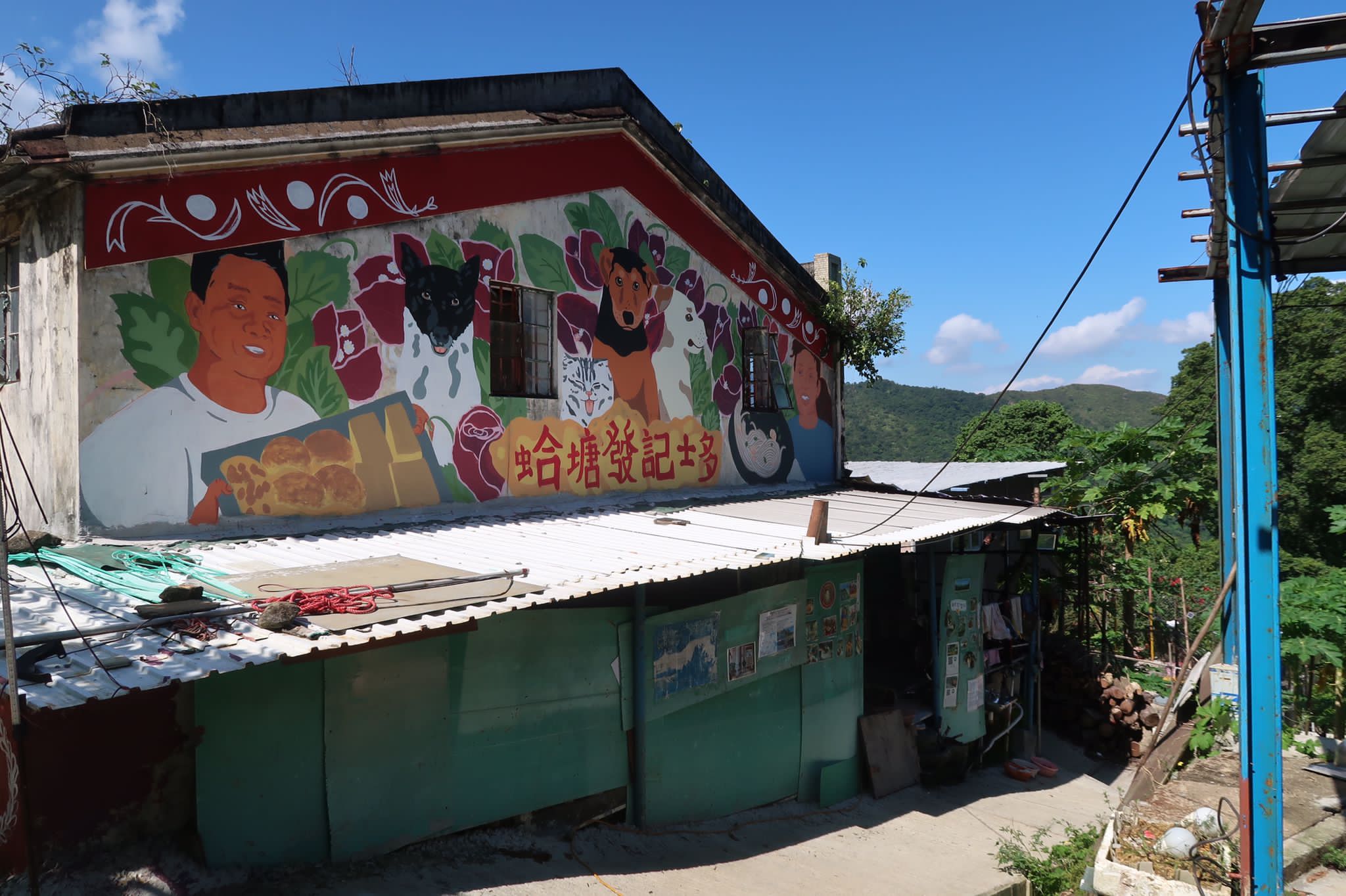
.jpg "Fat Gor and handmade Pineapple Buns")
.jpeg "Kop Tong Feng Shui Woods & Orchard")


