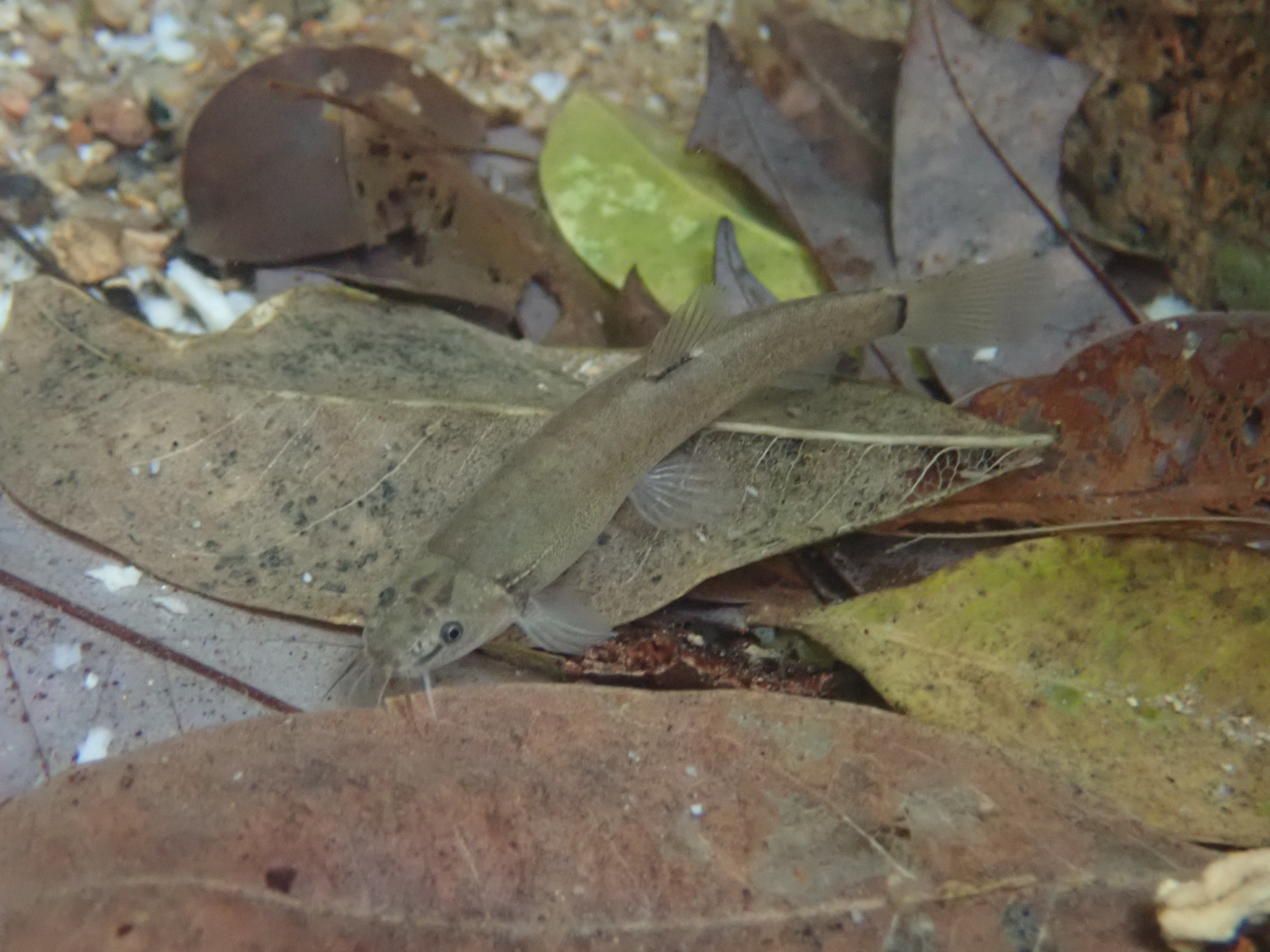
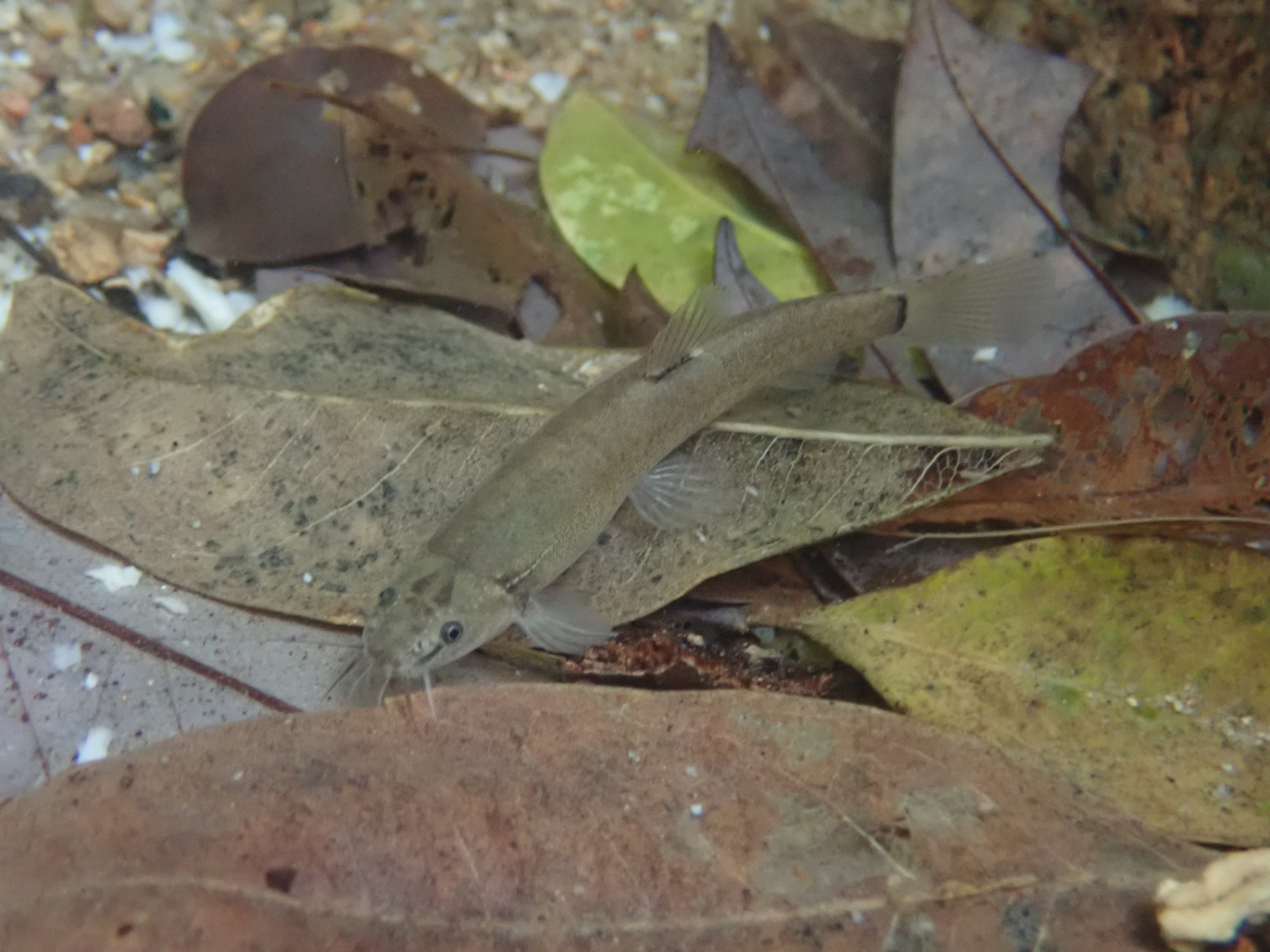
Although there are currently no permanent residents living in Mui Tsz Lam, the Forest Village is still home to a remarkable diversity of long-term “inhabitants”, with rich biodiversity thriving throughout the area.
Before the project began, the project team reviewed ecological survey data from nearby villages and worked with an expert advisory team to design a systematic ecological survey programme for the project management area. These ecological resources include the surrounding habitats, the plants and animals living within them, as well as the resources and ecosystem services they provide to people.
During the early stage of the project, vegetation and tree surveys were also conducted within the core management area to assess the impacts of habitat change and to guide adjustments to habitat management measures accordingly. The ecological surveys carried out during the project’s first year established important baseline data for understanding the area’s habitats and ecological characteristics. Subsequent monthly ecological surveys and habitat monitoring have helped the team better understand the ecological impacts of different project activities, as well as the effectiveness of various habitat management strategies.
The Outdoor Wildlife Learning Hong Kong is a partner of the project in ecological monitoring and environmental education. The landscapes surrounding the villages have been categorized into five habitat types — Feng Shui Woods and mature secondary forest, secondary forest, shrubland, streams, built environments, and farmland. Survey routes and monitoring points were established within these habitats to better understand the biodiversity of the two villages, helping the project team develop more suitable sustainable management strategies and related educational programmes for the Forest Village.
As of 2025, the recorded species data are as follows:
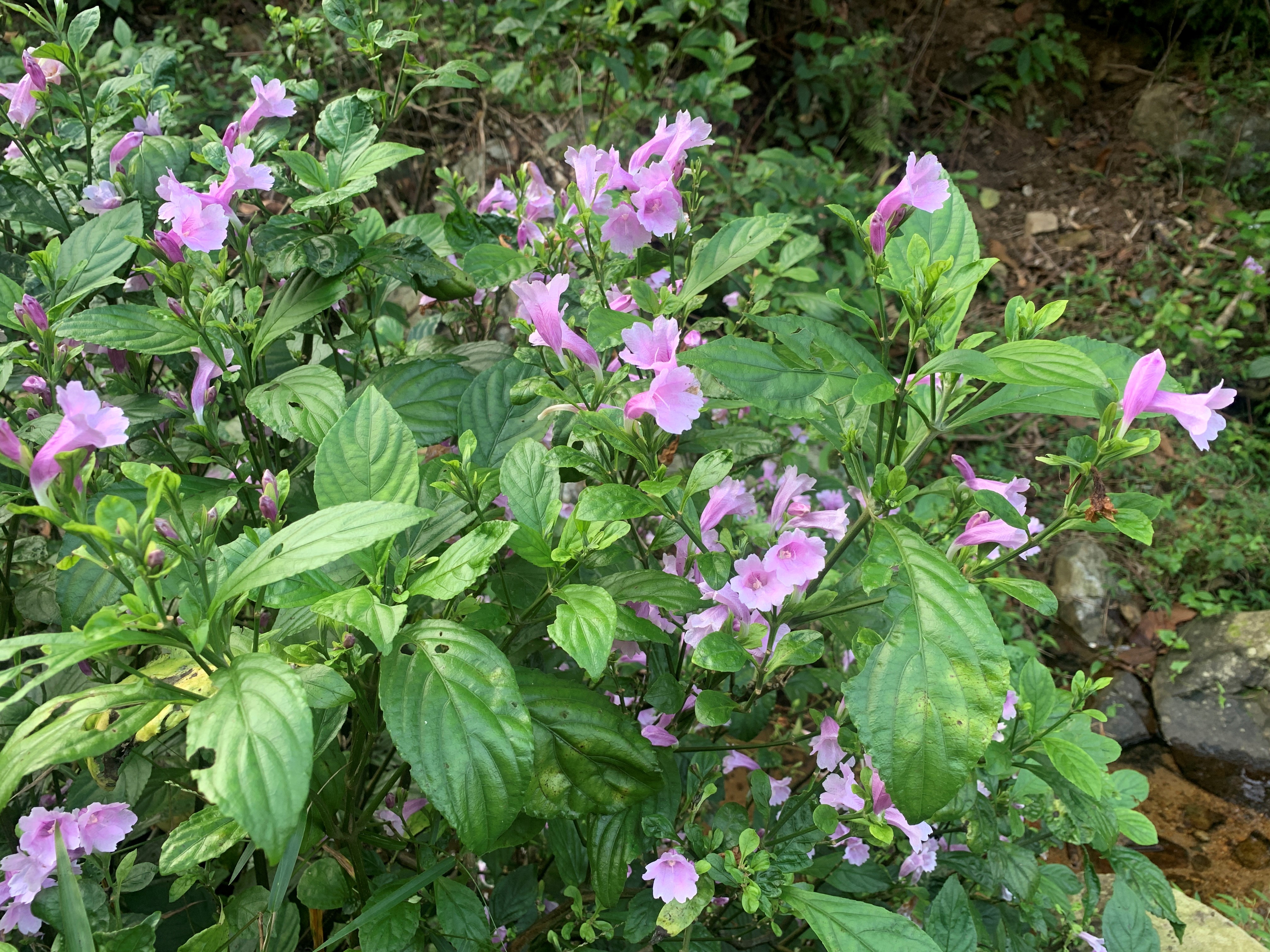
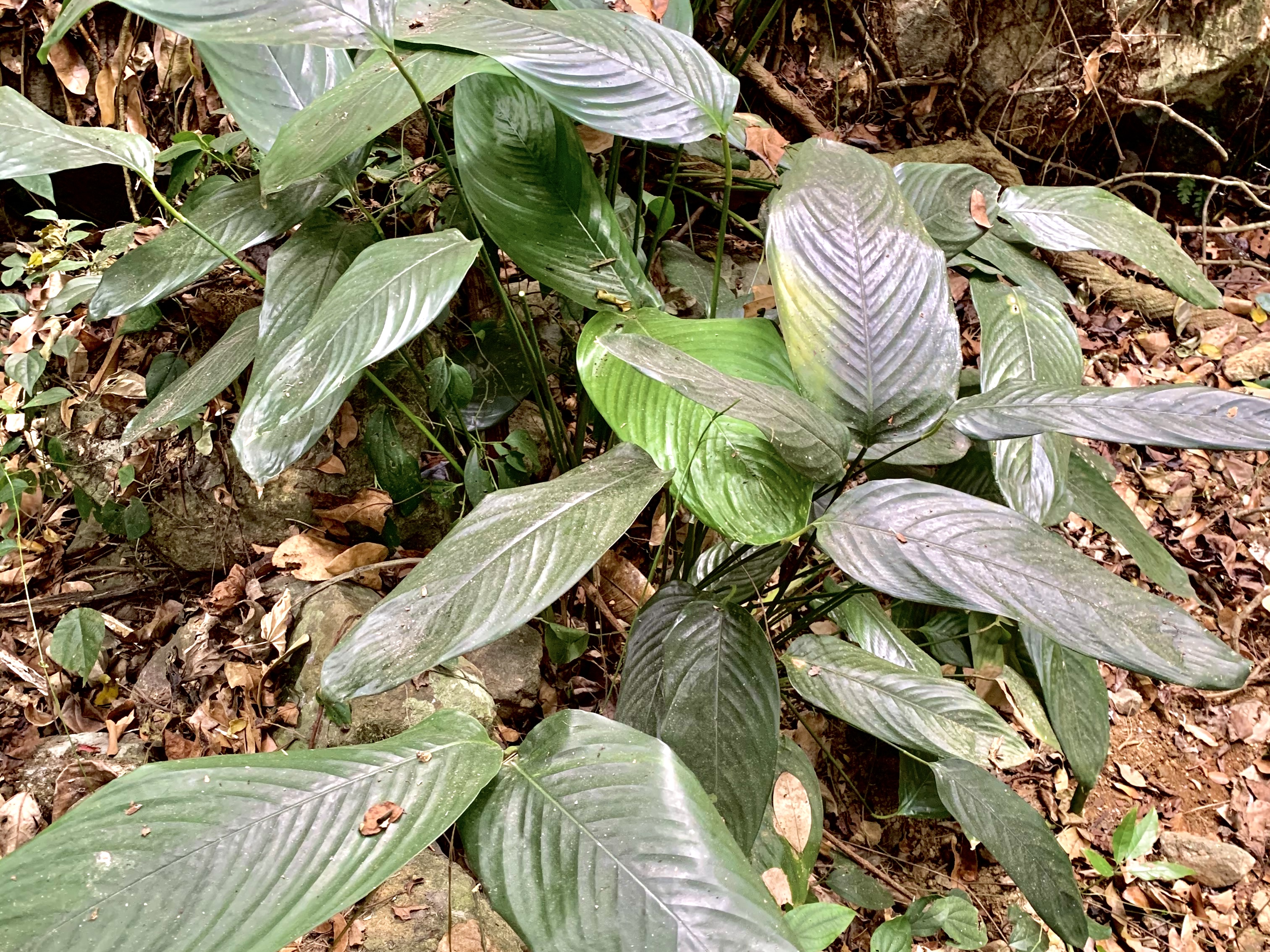
442 Plants species recorded, of which 86% are native species, including 5 rare species
Notable plants include
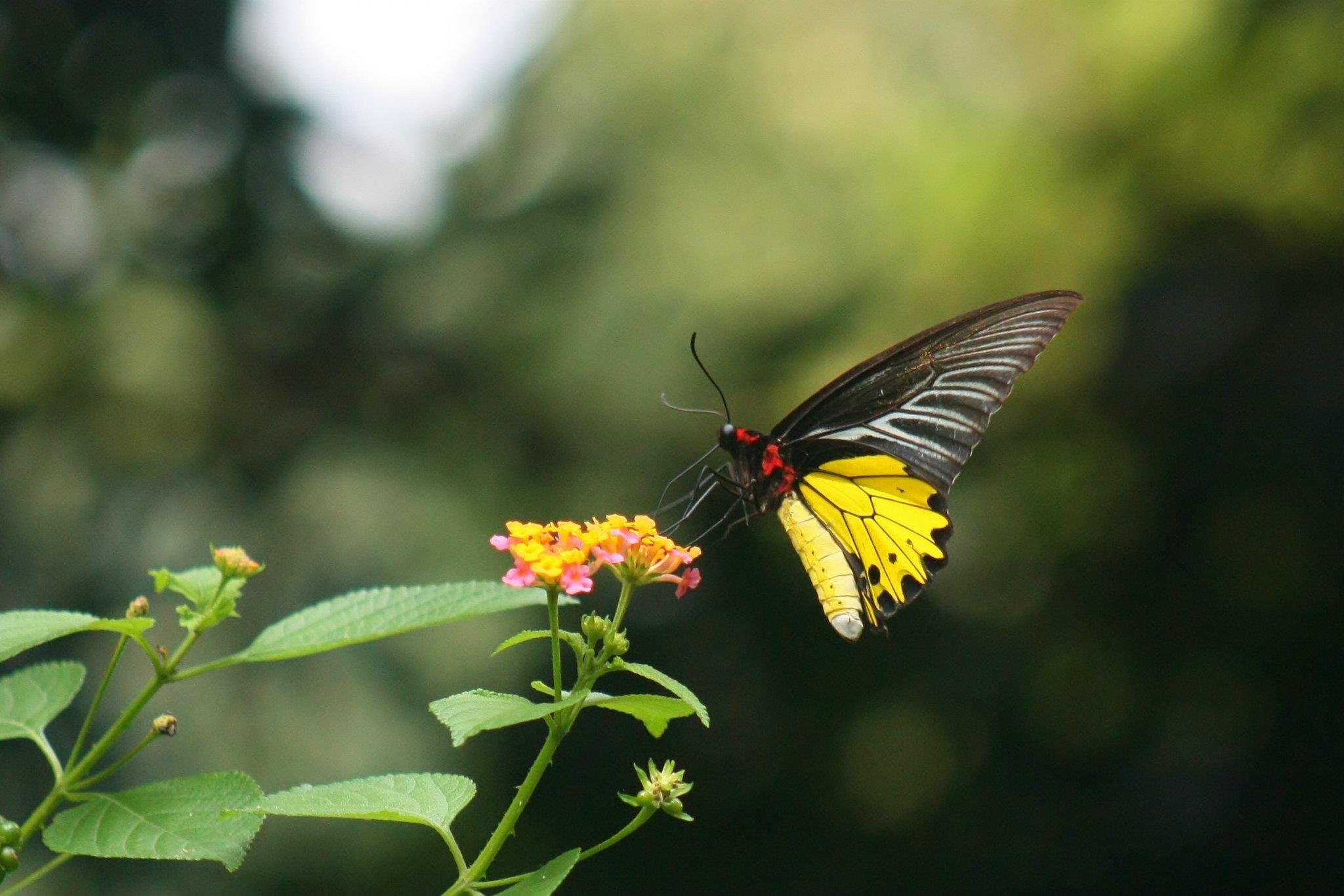
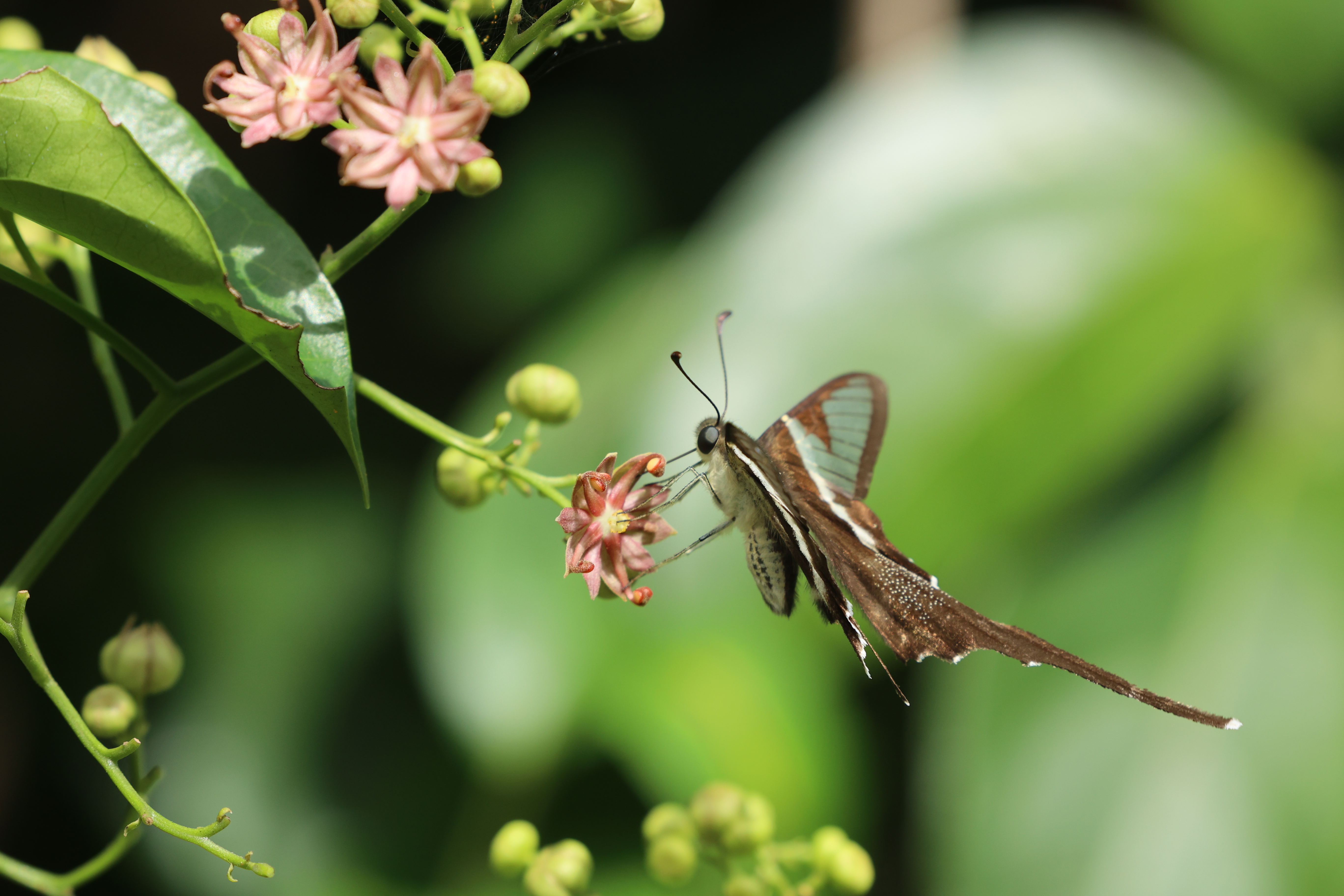
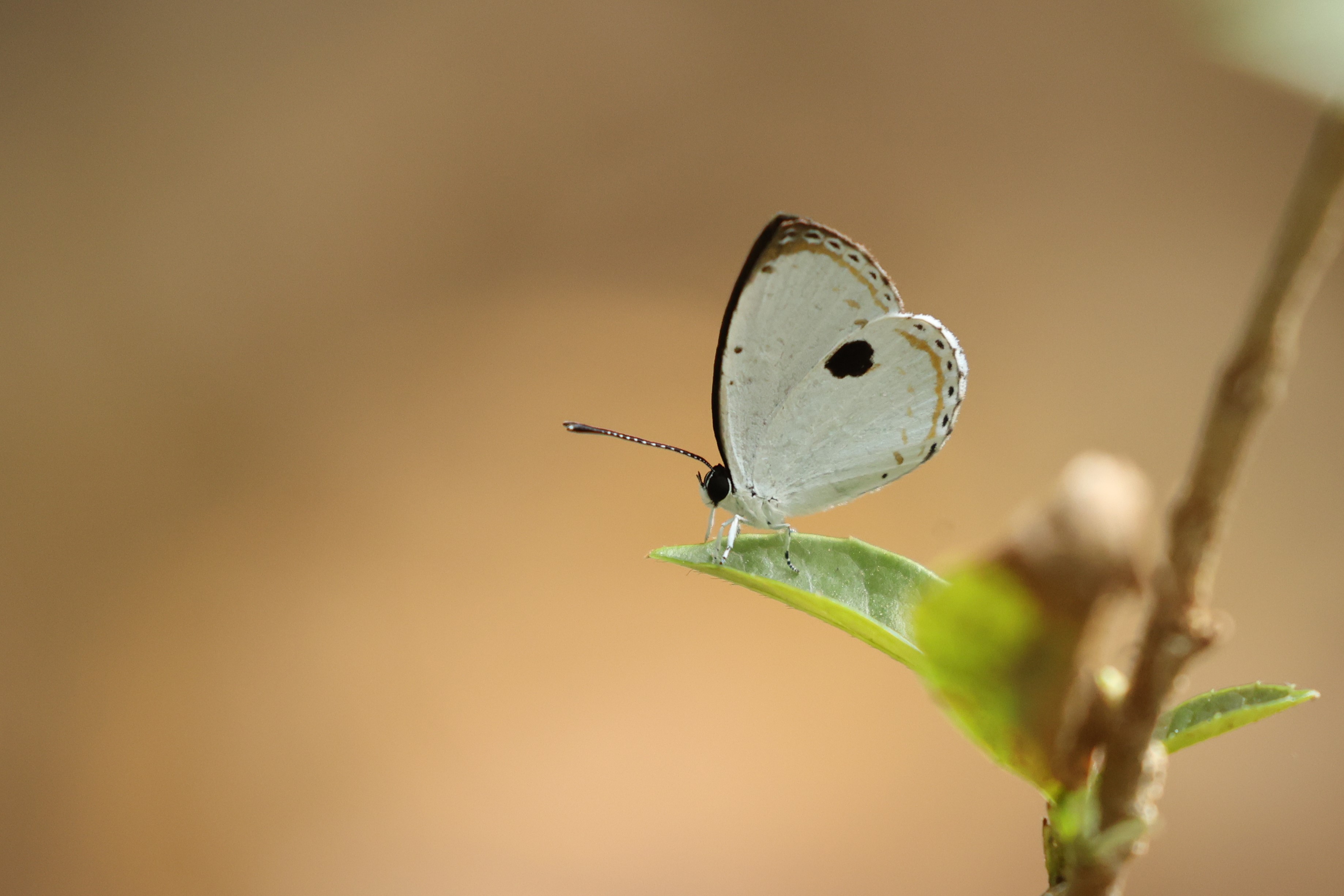
148 Butterflies species recorded, representing nearly 60% of all butterfly species found in Hong Kong
Notable species include
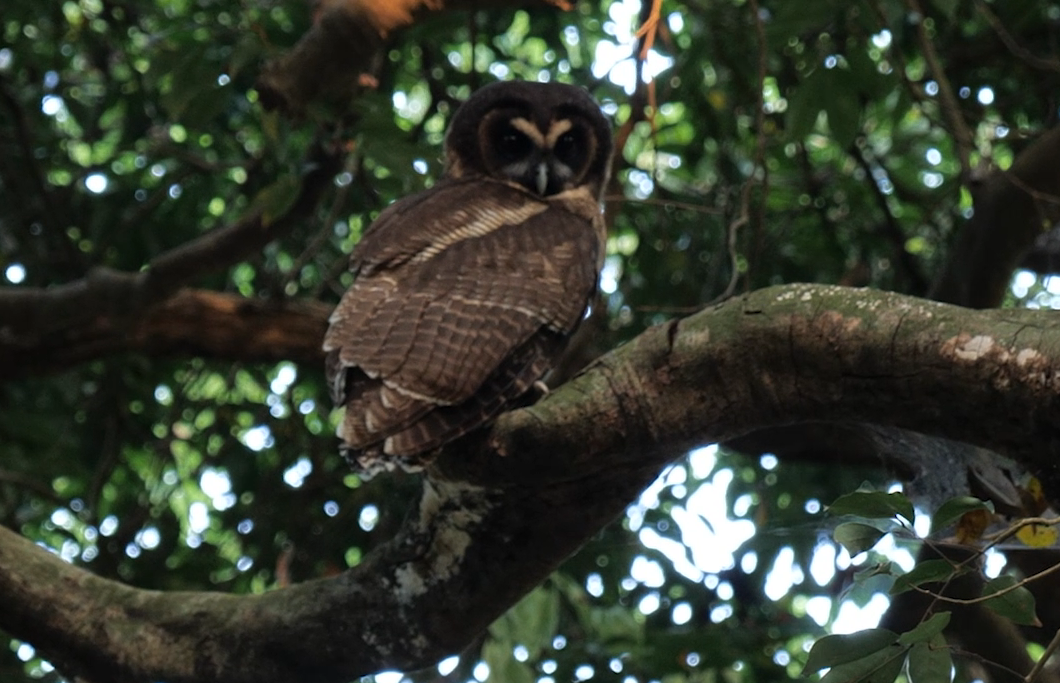
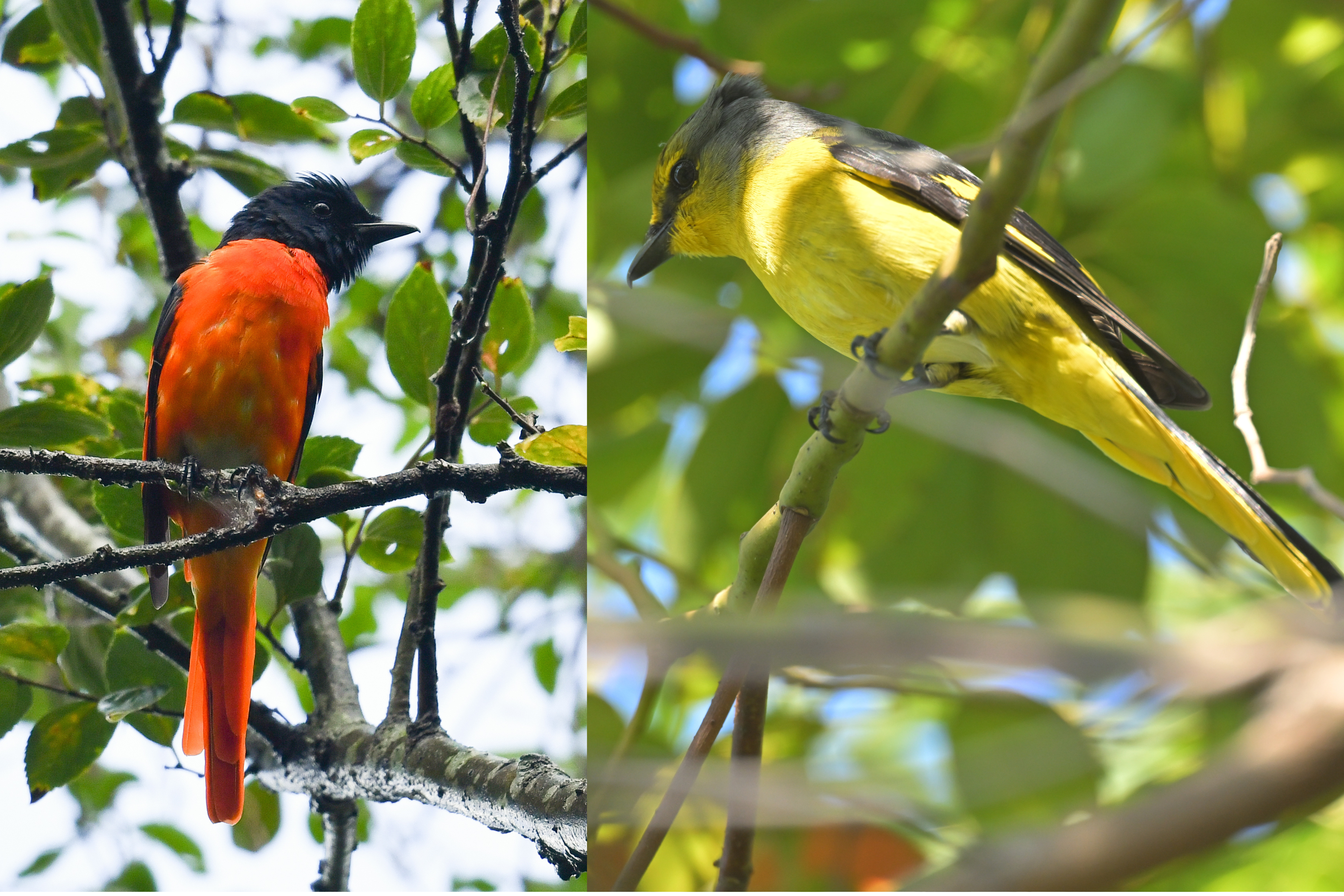
110 Birds species recorded. The secondary forest near the campsite in Mui Tsz Lam supports the highest bird density within the survey area
Notable bird species include

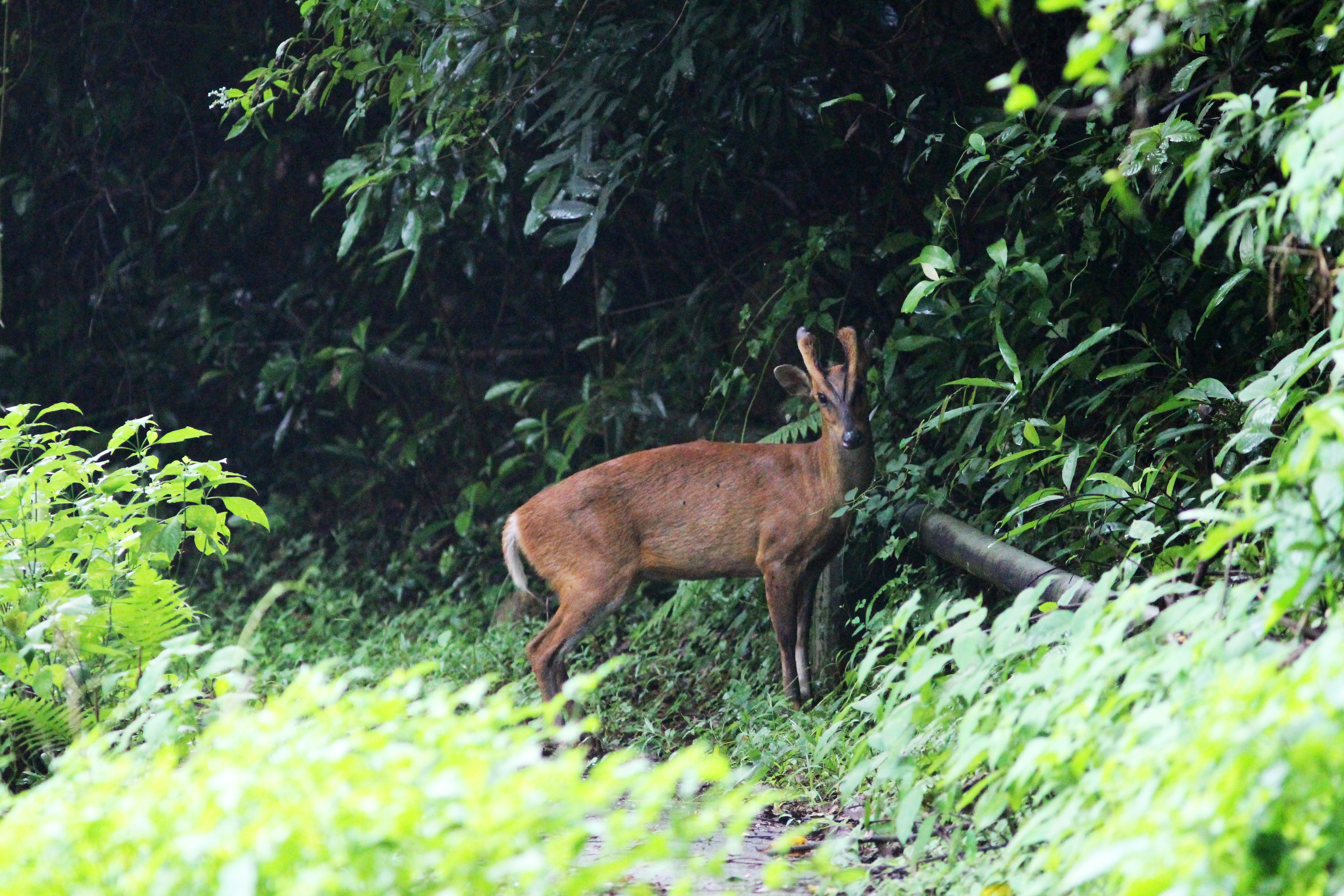
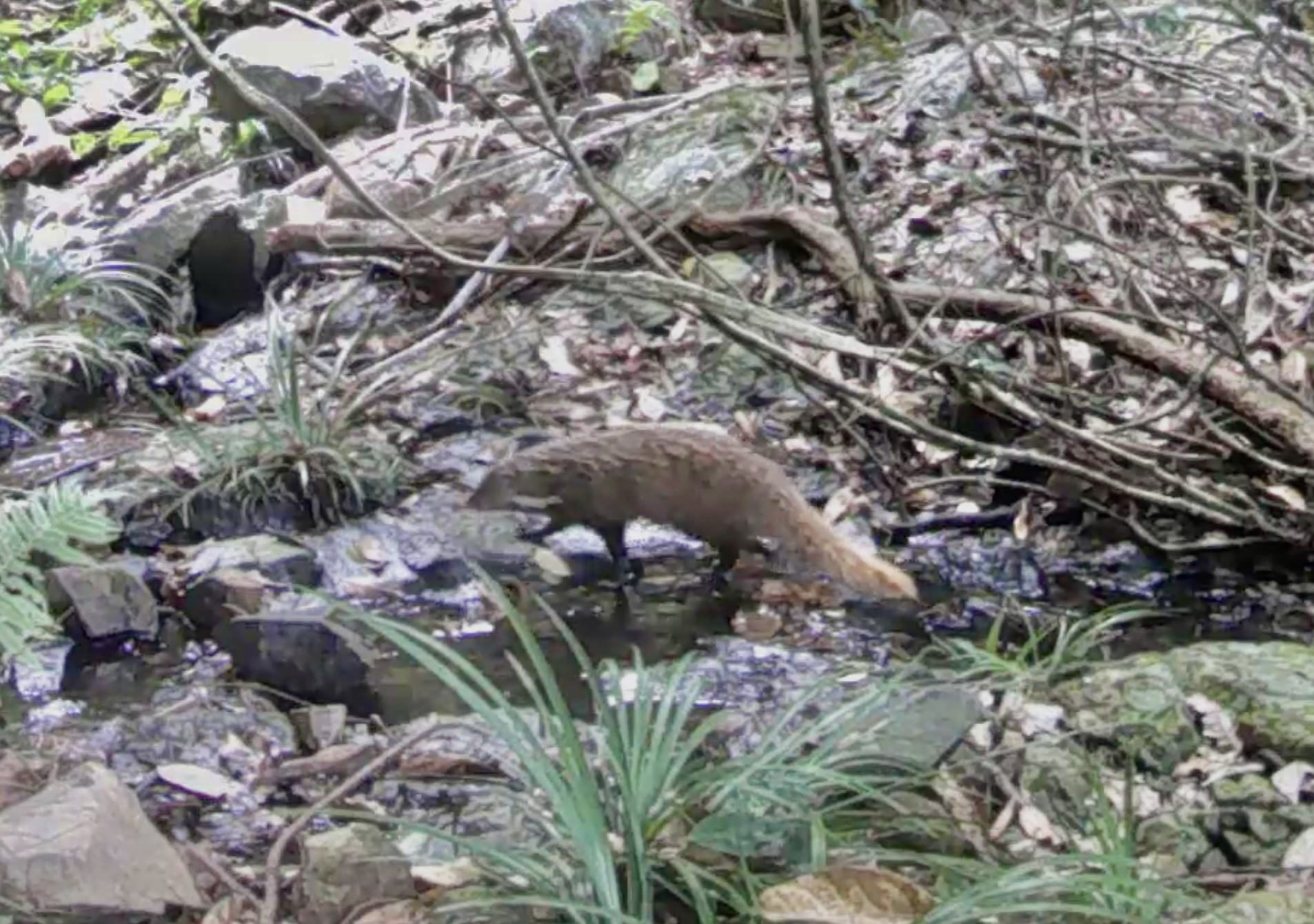
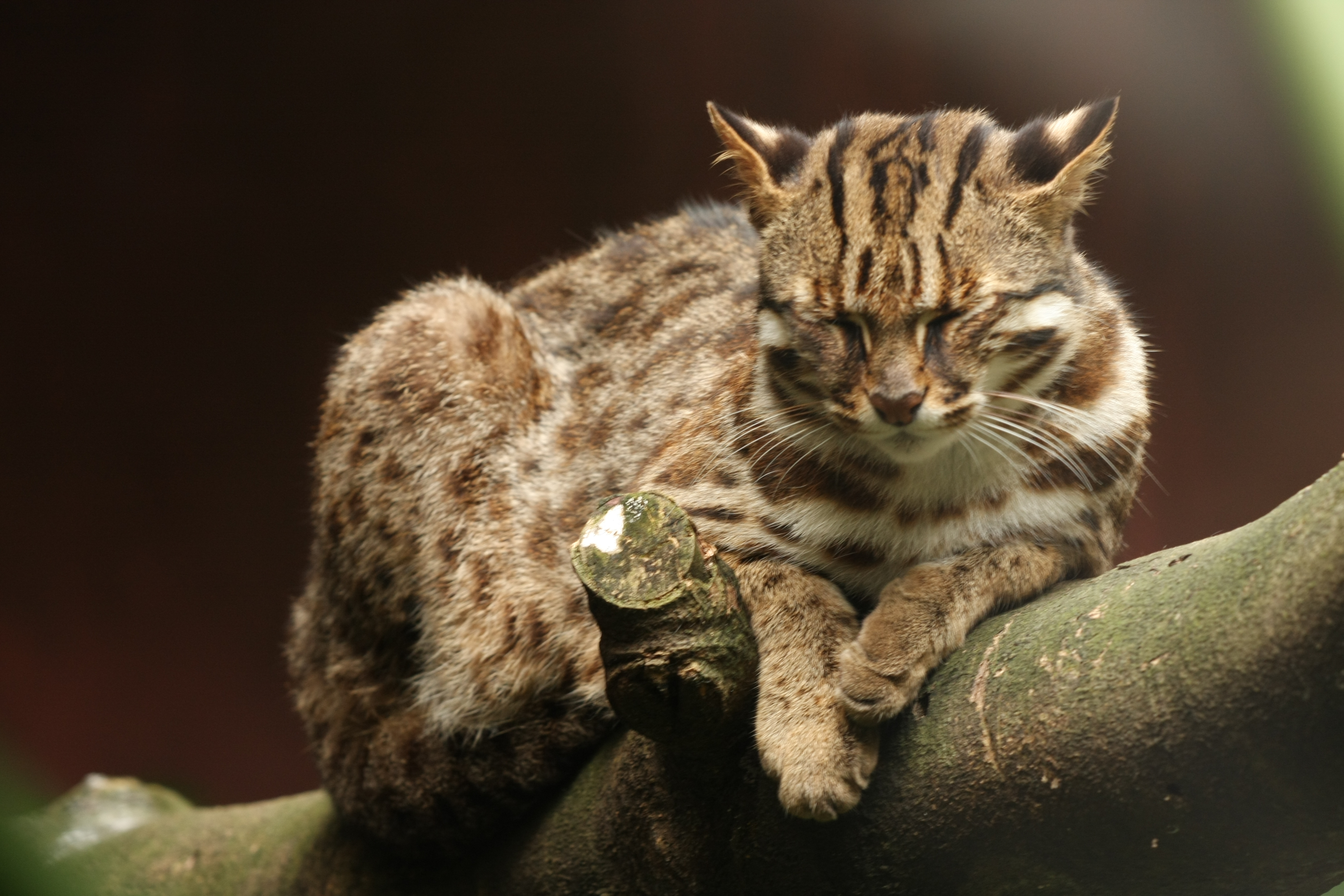
9 Mammal species recorded
Notable species include
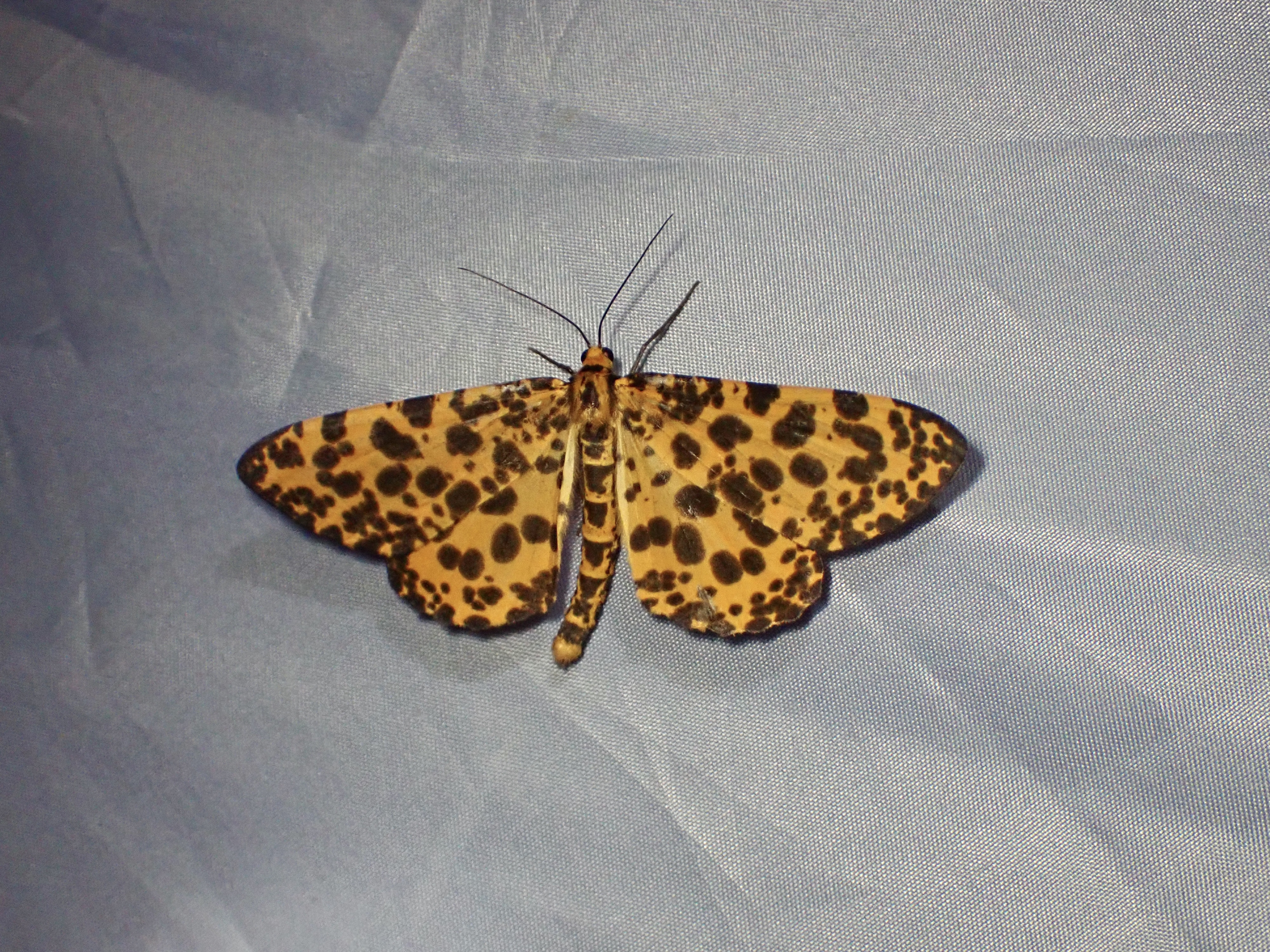
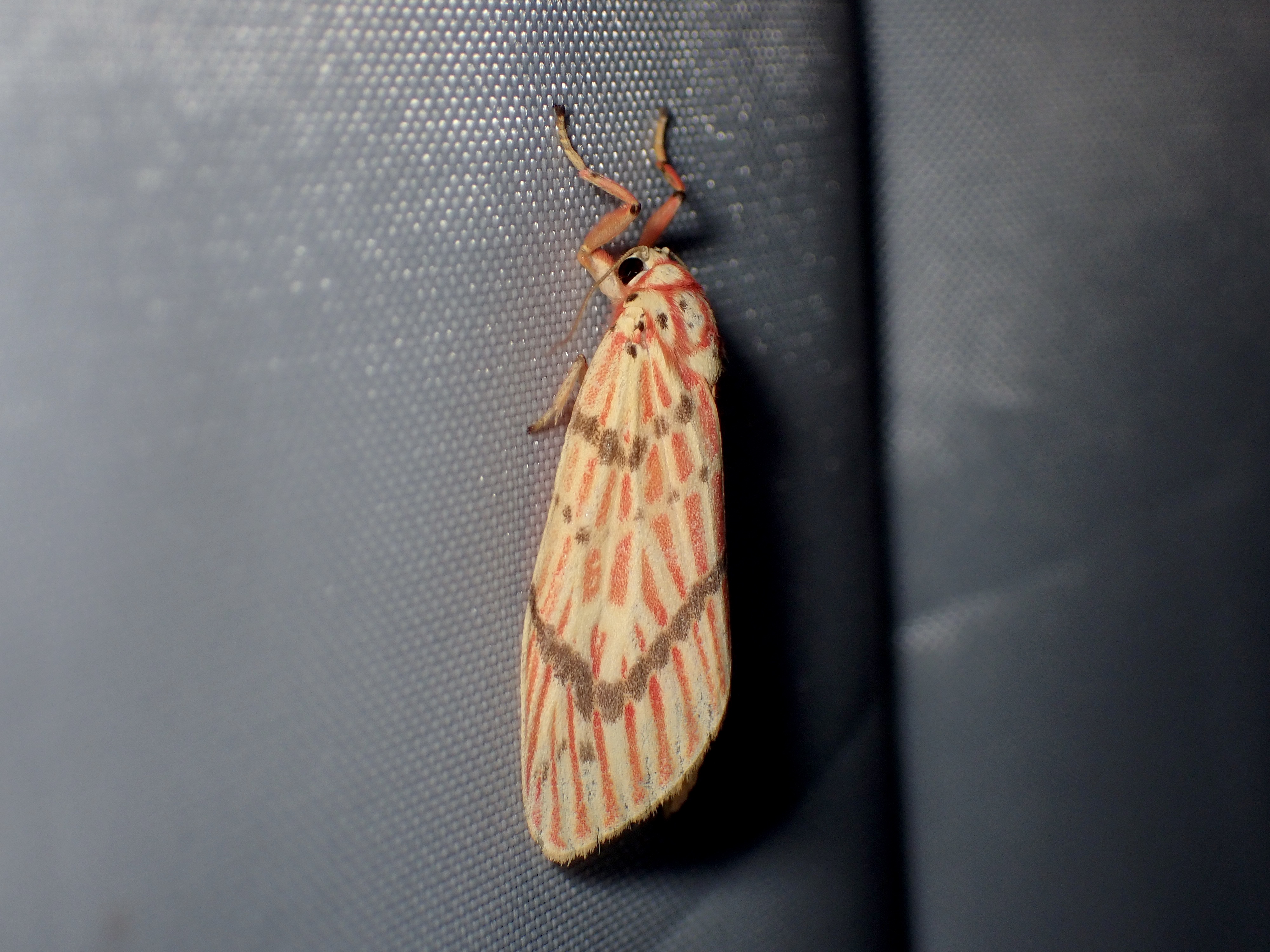
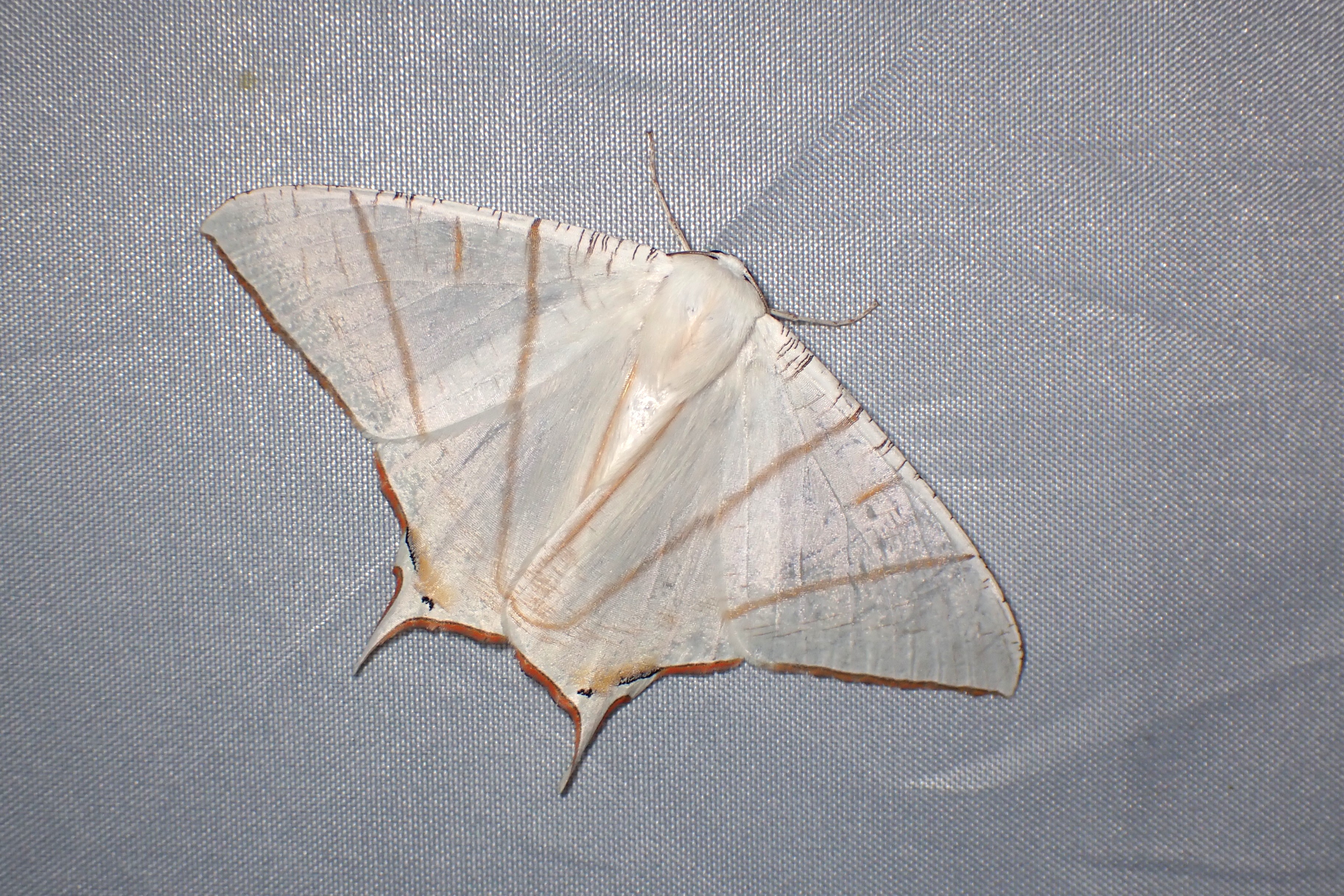
347 Moths species recorded
Notable species include
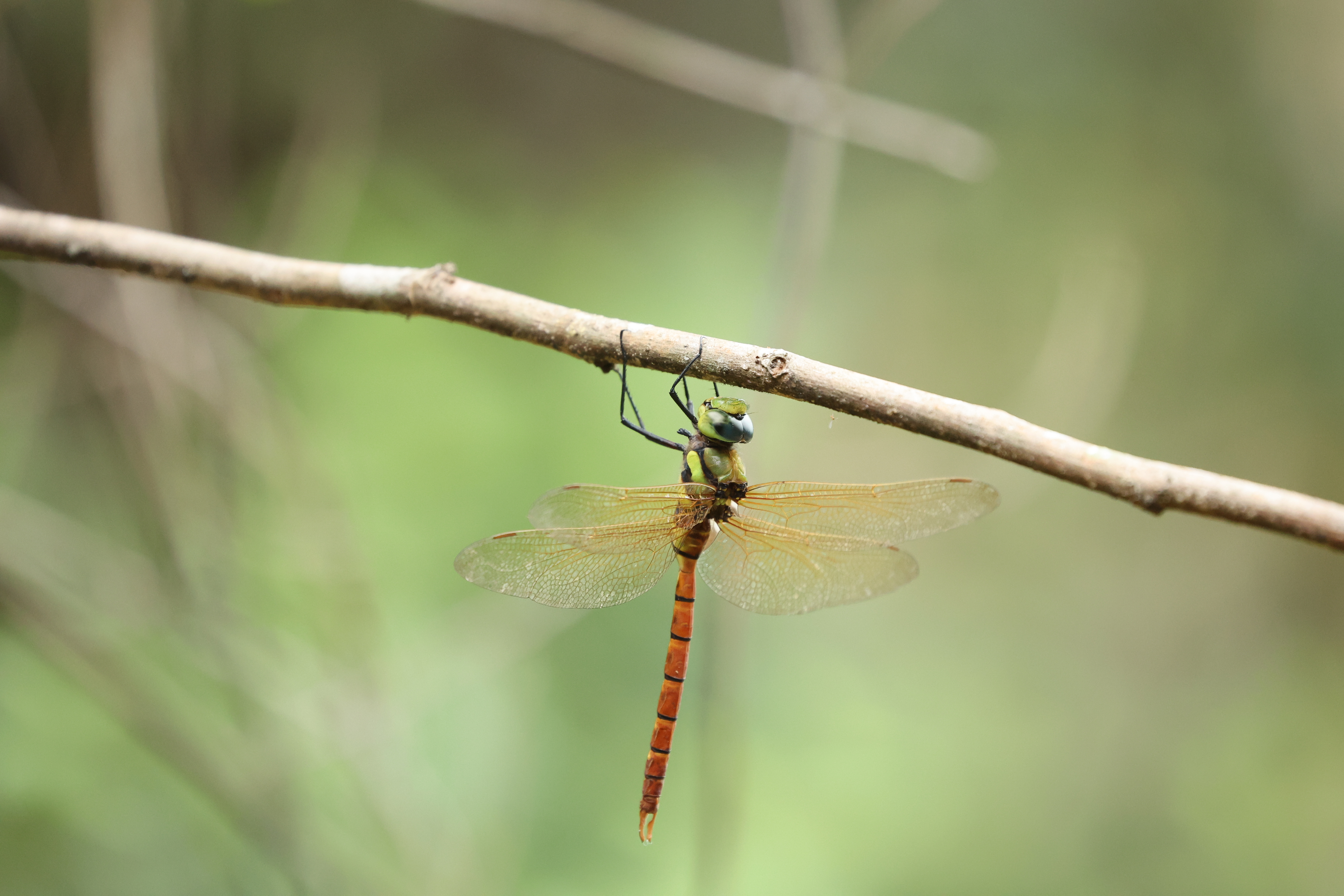
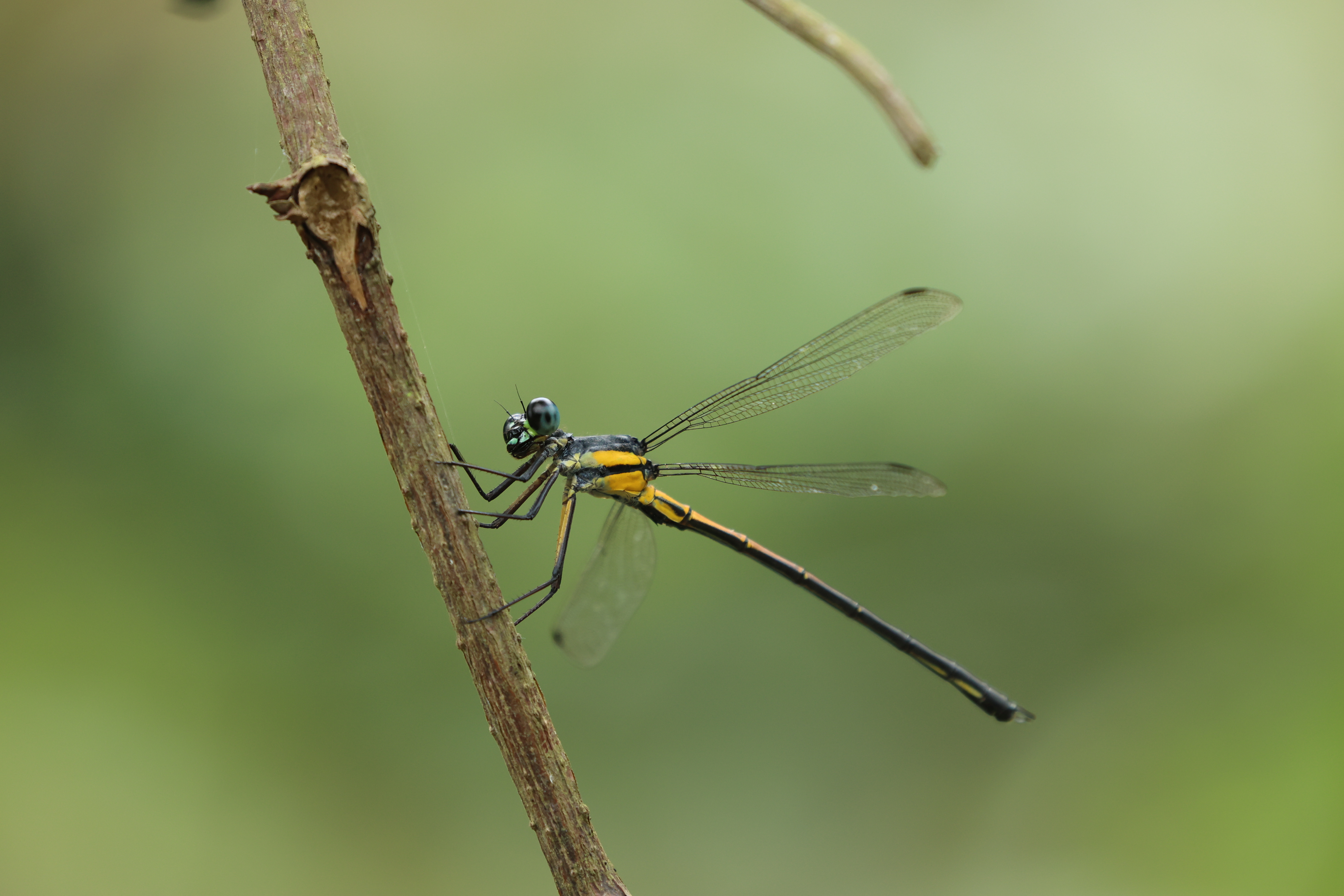
31 Dragonflies and Damselflies species recorded. The streams beside Mui Tsz Lam support the highest dragonfly diversity within the survey area
Notable species include
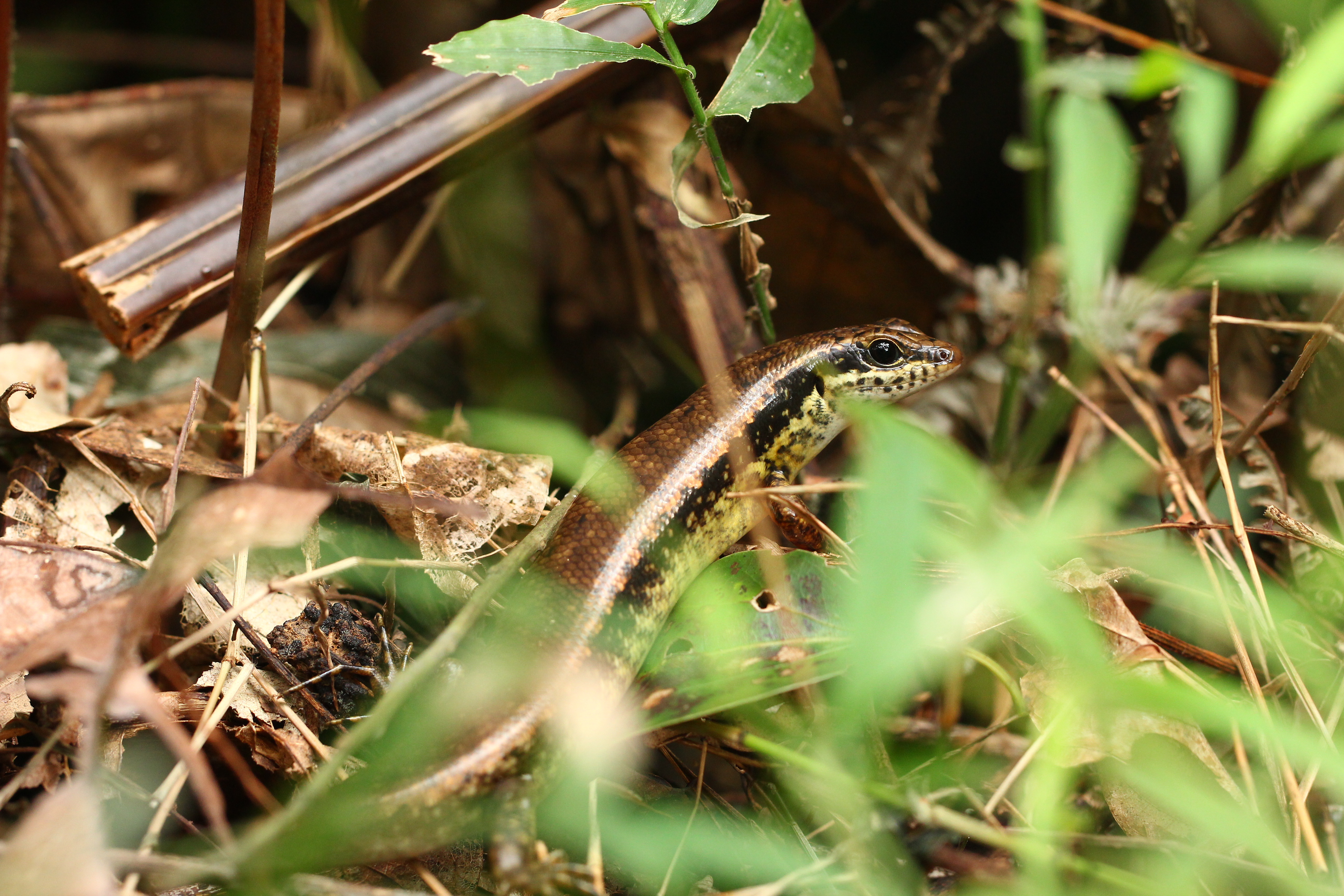
15 Reptiles species recorded
Notable species include
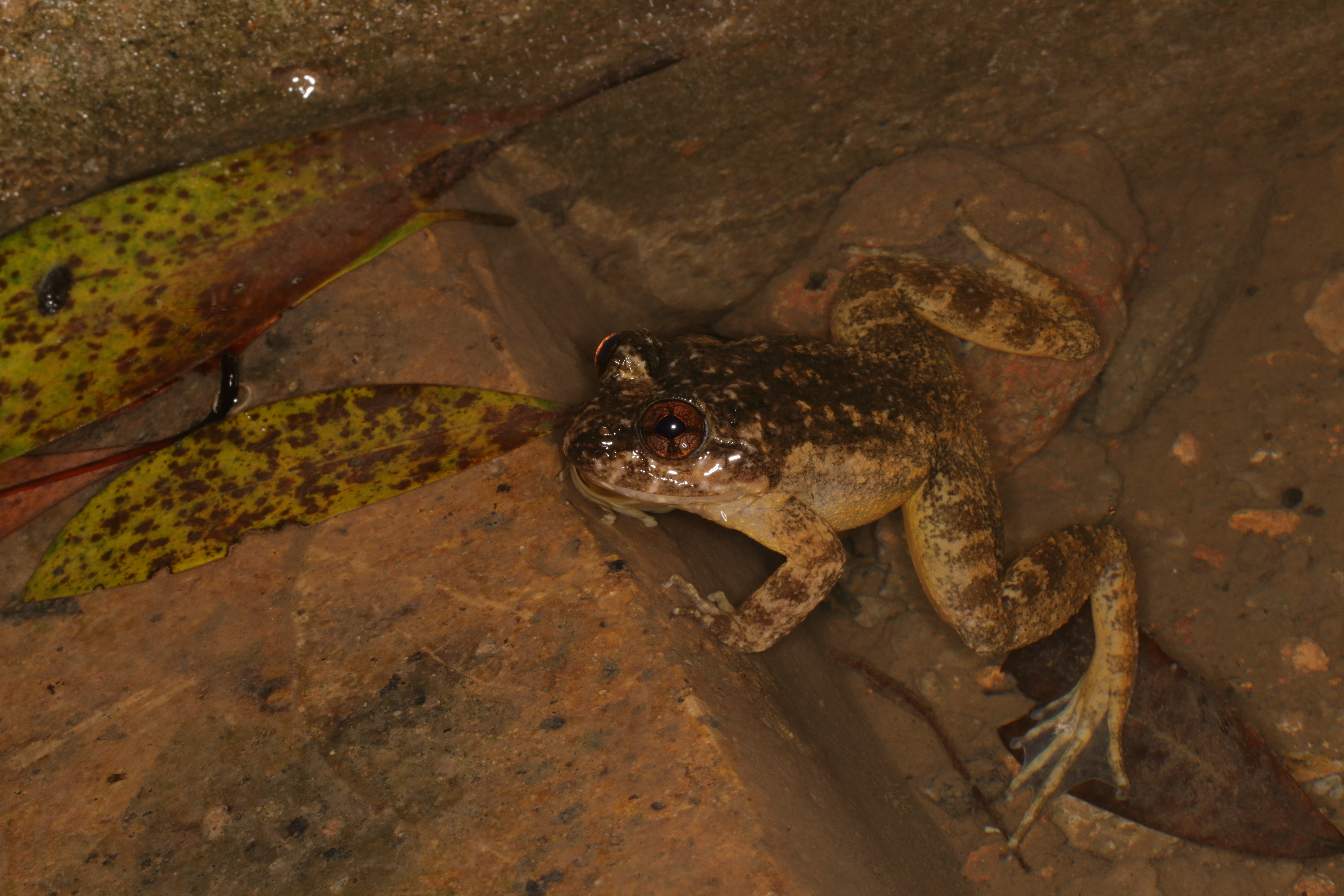
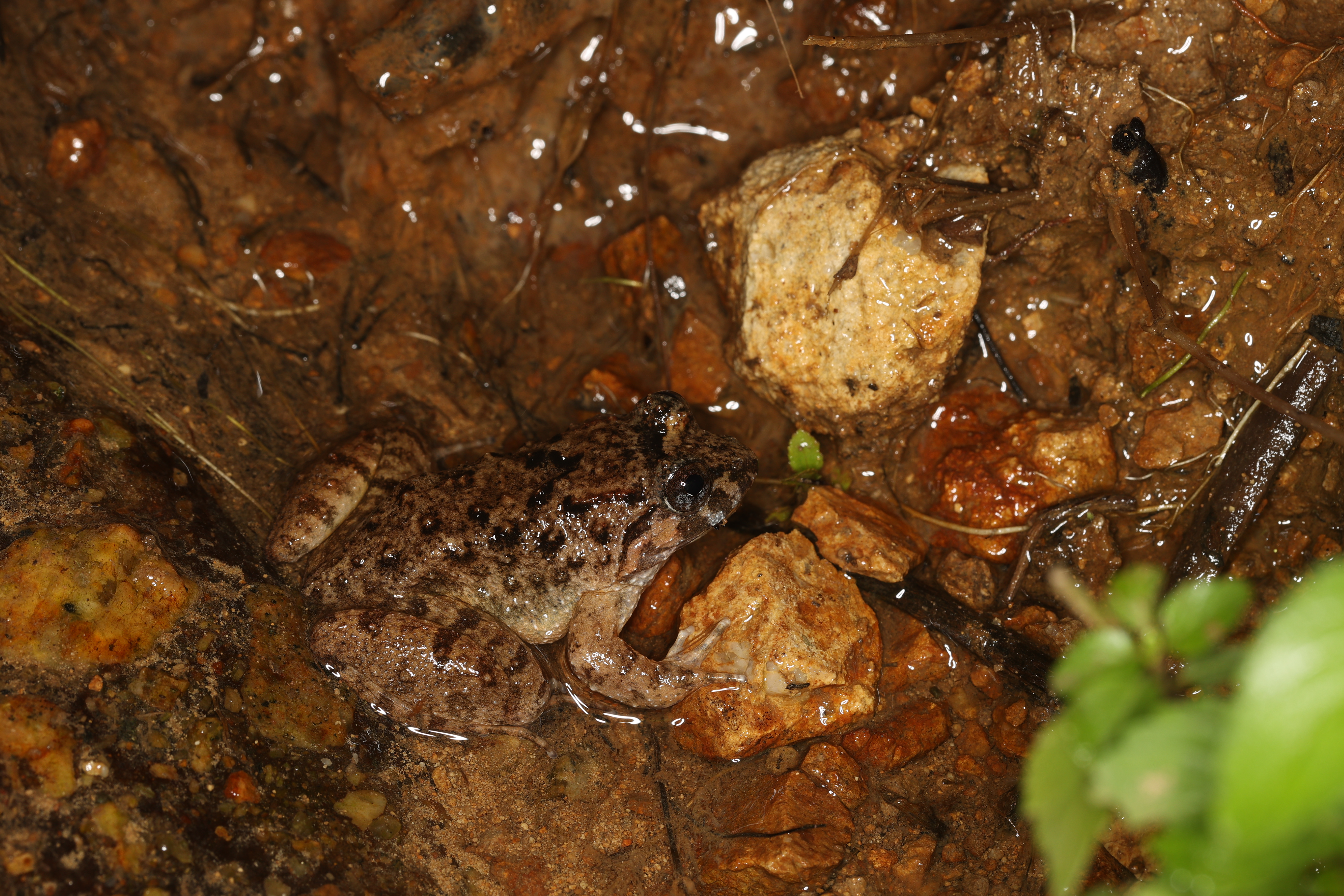
10 Amphibians species recorded
Notable species include
4 Freshwater Fish species recorded