Scientific knowledge is not produced solely by professional scientists. Citizens can also play an essential role in generating scientific understanding. This approach — where the public participates in data collection and systematic research — is known as “Citizen Science.”
Training citizen scientists has therefore become an important component of the Forest Village project. The project team invited local ecologists and scientists to provide training for amateur wildlife observers and students in two major themes, supporting them in conducting systematic ecological surveys and research. Activities include the “Forest Carbon Storage Survey” and the two-day-one-night “Forest Village Citizen Science Camp — Insect Biodiversity Survey.”
Forest Carbon Storage Survey
Why are natural forests so important? There are countless reasons. Unlike monoculture plantation forests, a biodiverse natural forest not only provides habitat for innumerable species, but also absorbs and stores large amounts of carbon dioxide, converting it into organic matter and helping mitigate climate change. Natural forests are therefore among the world’s most important carbon sinks.
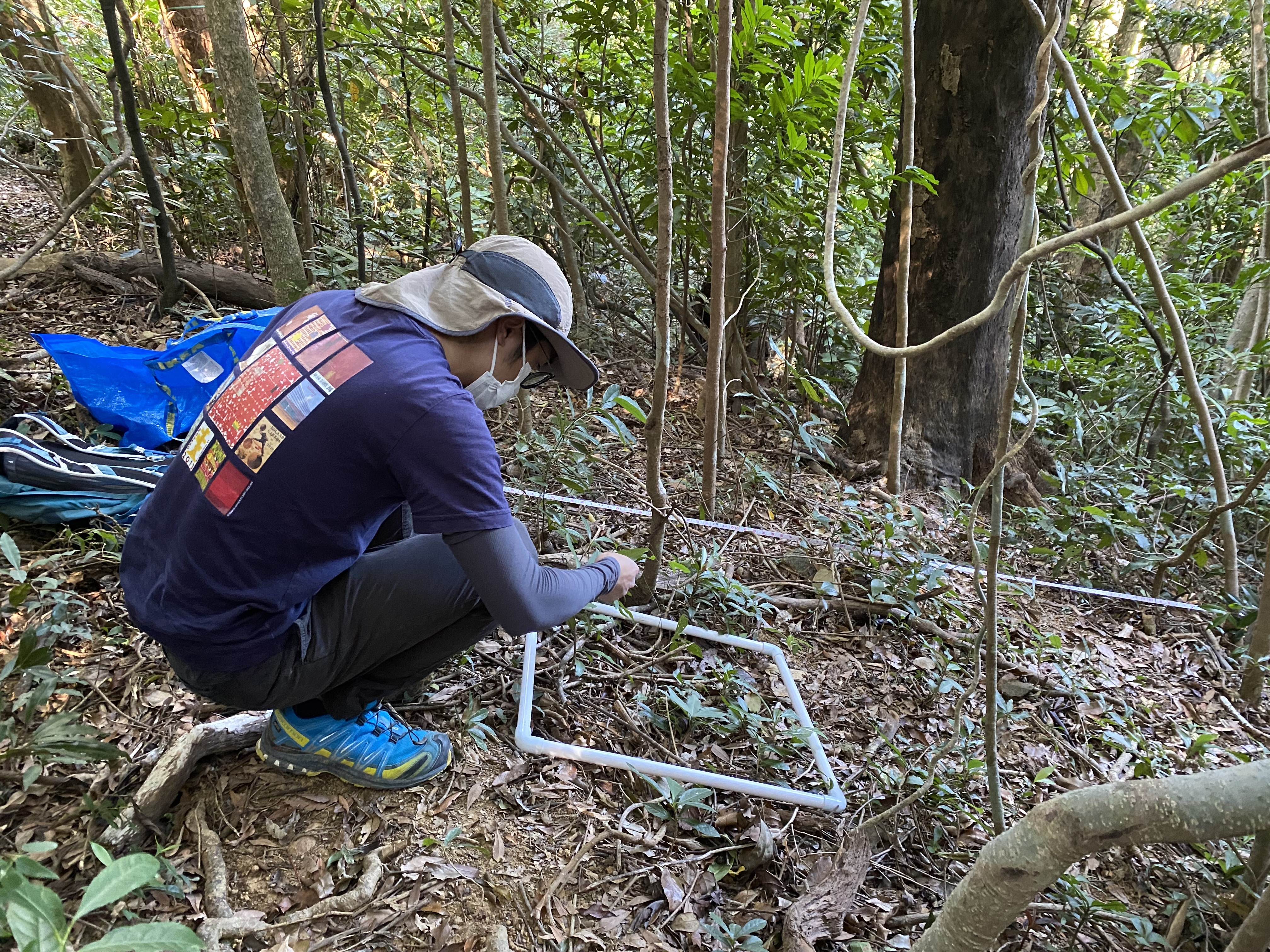
To quantify forest carbon storage, it is necessary to estimate tree volume by collecting data such as tree height and diameter at breast height.
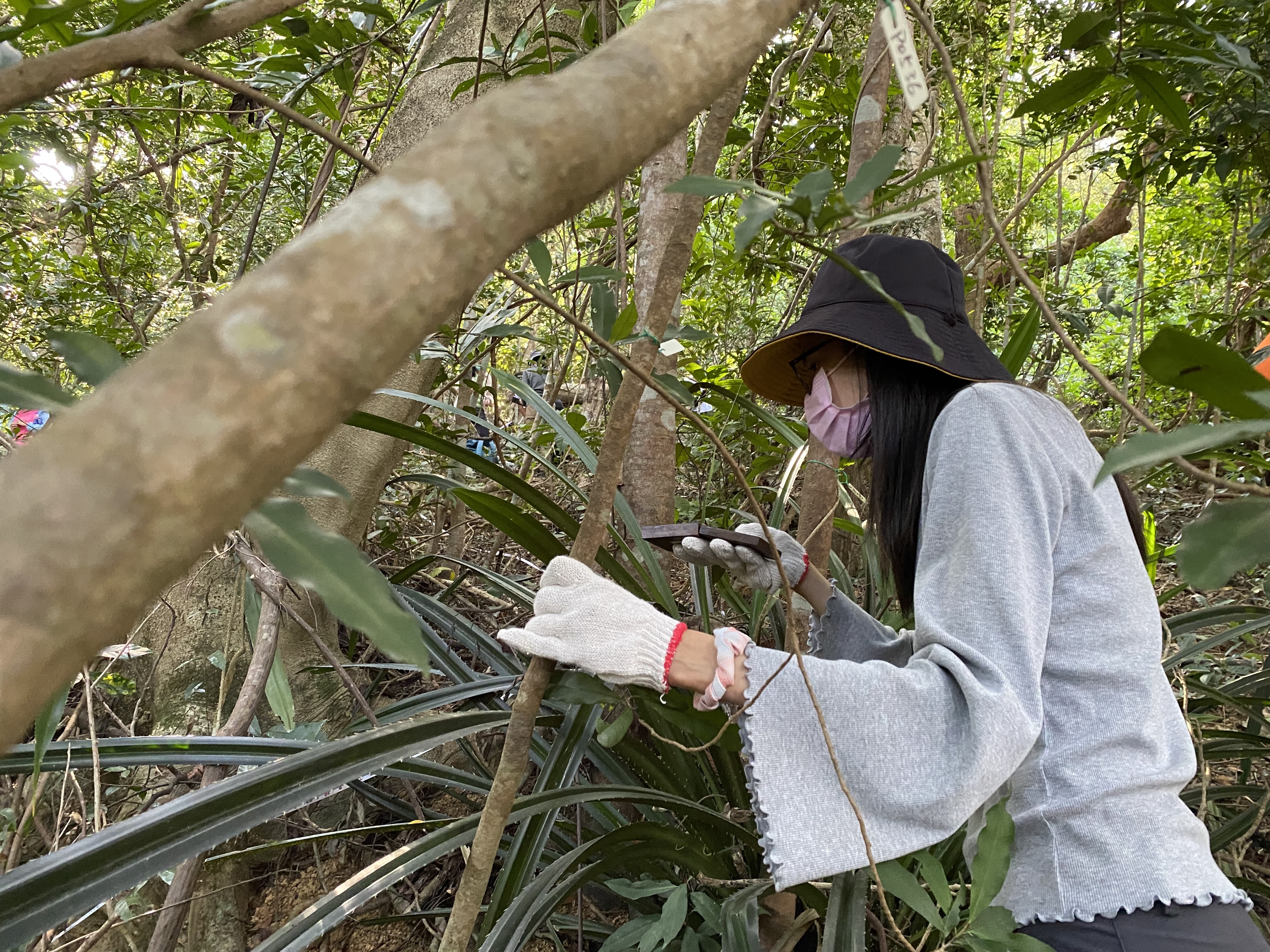
Through lectures, workshops, and group discussions, participants are guided into the forest to learn how to measure trees and estimate ground vegetation coverage in the field, enabling them to calculate forest carbon storage capacity. The data collected and analysed by participants also provide valuable reference material for the Forest Village ecological survey and research programme.
“Forest Village Citizen Science Camp — Insect Biodiversity Survey
Want to camp overnight beneath the stars in the forest?
Want to explore wildlife in the darkness of the countryside?
Want to learn ecology alongside like-minded friends?
The Forest Village Citizen Science Camp brings all these experiences together.
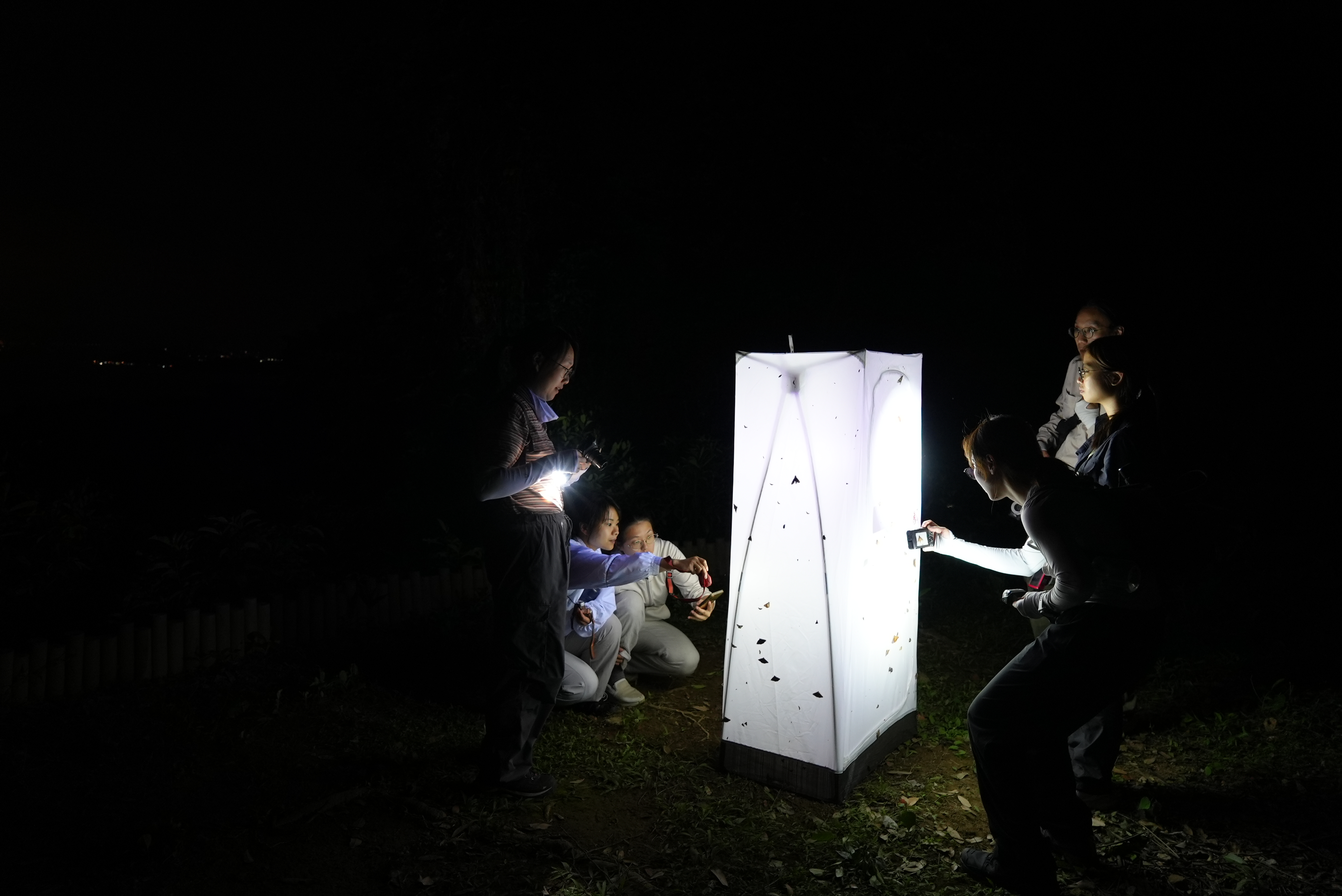
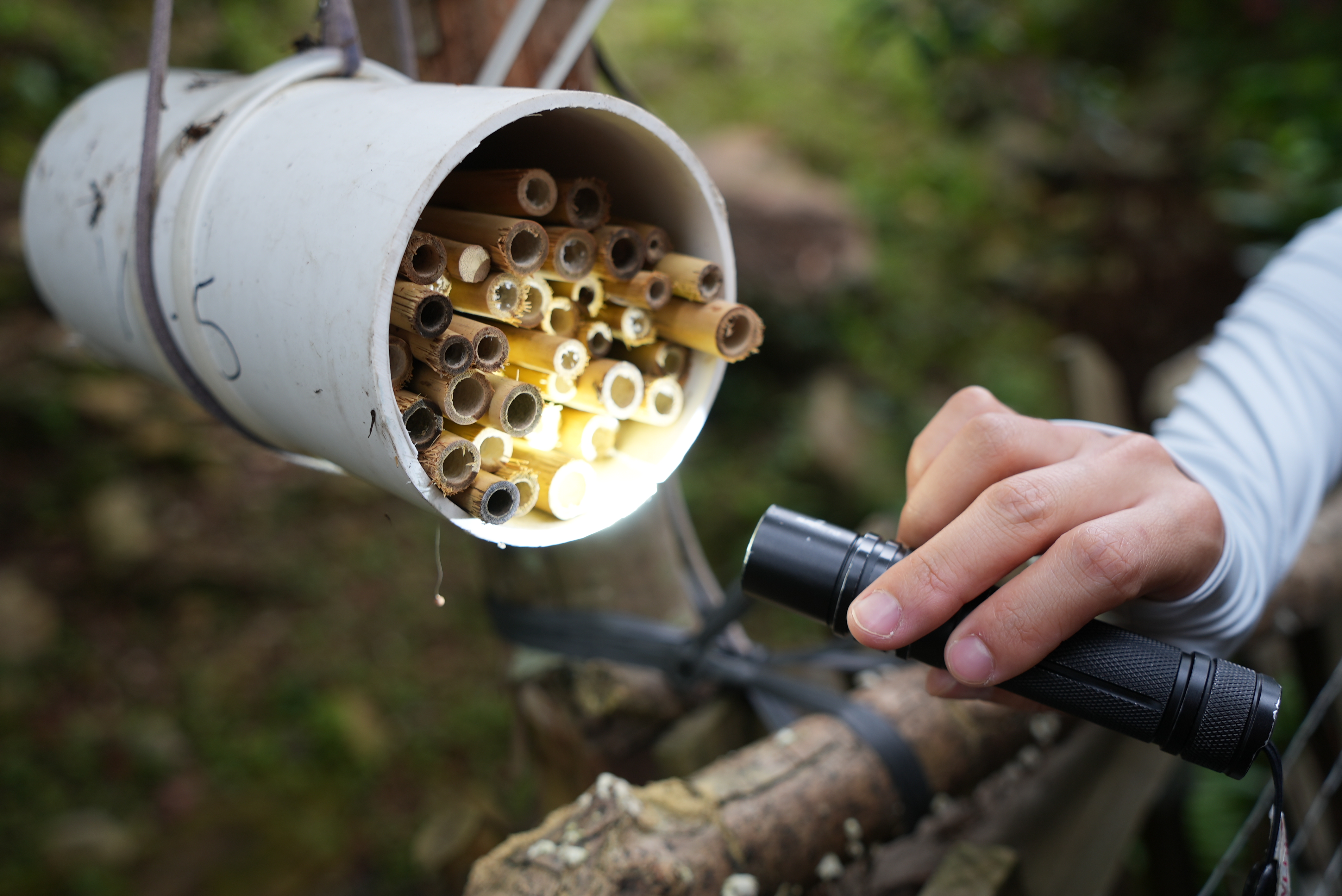
Through a range of engaging activities, participants learn about local insect species and ecology. Following training sessions, participants conduct field surveys in Mui Tsz Lam and Kop Tong, helping record baseline data for different insect species. Participants stay overnight at the Forest Village campsite in Mui Tsz Lam, experiencing the unique atmosphere of the countryside at night and joining rare nocturnal field activities such as moth surveys, with opportunities to encounter elusive nocturnal wildlife.
The programme is led by instructors from the Outdoor Wildlife Learning Hong Kong. Every observation and record made by participants contributes important data for the habitat conservation strategies of the Forest Village project.
Thanks to the efforts of these citizen scientists, 157 previously unrecorded moth species were discovered in the Mui Tsz Lam and Kop Tong area during 2025 alone, bringing the total number of recorded moth species in the area to 281.
If are you interested to become Citizen Scientist, don't hesitate to Join as a Volunteer!