Phase 1
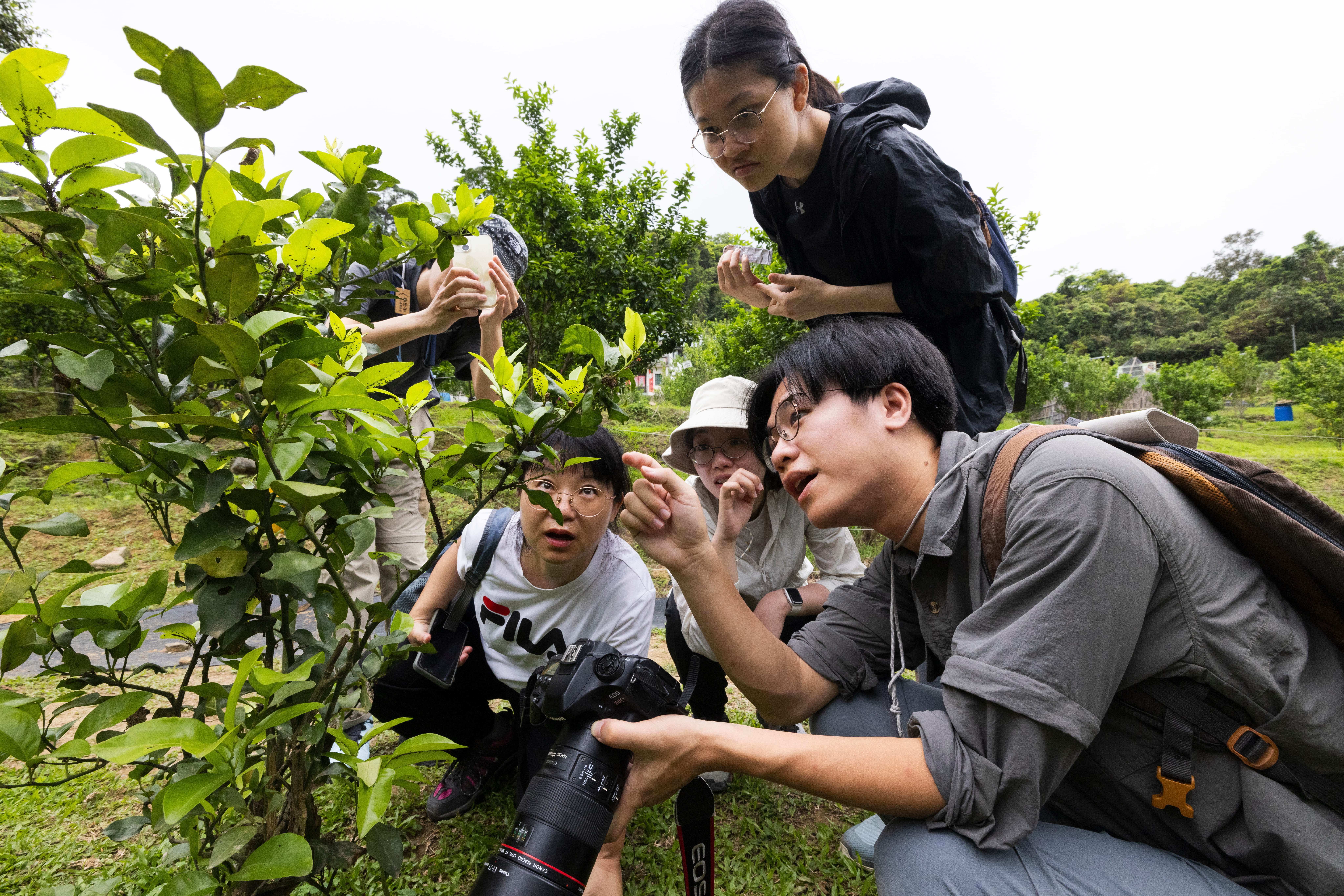
During the first phase of the project, baseline surveys were conducted to document the resources of the Forest Village and identify the existing and potential ecosystem services provided by Mui Tsz Lam and Kop Tong. The findings help inform sustainable management strategies for these villages, as well as for other similar forest villages in Hong Kong.
Main Approaches:
- Expert-led surveys were conducted to identify provisioning services, including food, materials, and traditional herbal medicine, as well as habitat services for wildlife.
- Ecological surveys and citizen science activities were used to document regulating services such as pollination, seed dispersal, and pest control.
- The project also measures the cultural services generated through its wide range of public programmes and activities.
The baseline ecosystem services assessment report for Phase One has been completed. Interested parties may request a copy of the report (English version only) by emailing forestma@hku.hk
Phase 2
In the second phase of the project, the research team aims to develop a participatory ecosystem services assessment framework suitable for Hong Kong’s rural and peri-urban landscapes. Since the 1970s, the relationship between people and the land in Hong Kong’s rural areas has undergone major changes, affecting not only ecosystem functions but also community well-being. As population pressure and land-use competition intensify, finding a balance between development and conservation has become an increasingly urgent challenge.
Main Objectives of the Research:
- To highlight how current ecological assessment methods commonly used in management agreements and habitat management projects may not fully recognize the value of ecosystems, and to advocate for more holistic approaches to ecosystem assessment.
- To foster a greater sense of ownership and recognition of ecosystem services among local communities and the public, encouraging more active participation in sustainable management.
Beyond conventional biophysical assessments, the study emphasizes that community participation can provide a more comprehensive understanding of ecosystem services and better reflect the needs and values of local residents. Participatory assessment helps reveal how different communities perceive ecosystems, mediate conflicts arising from land-use change, and promote harmony between society and ecology. The research will also place particular emphasis on cultural ecosystem services, enhancing understanding of local identity and landscape character.
The study will examine how land-use change and social interactions influence public perceptions of ecosystem services, as well as how policies and institutional frameworks can better integrate and strengthen these services. Ultimately, the project hopes to provide scientific references for policymaking, promote community participation and sustainable management, and support the co-development of urban and rural areas.