𝗧𝗮𝘀𝘁𝗲𝗿 𝗟𝗲𝗰𝘁𝘂𝗿𝗲: 𝗣𝗼𝗹𝗶𝗰𝘆 𝗖𝗵𝗮𝗹𝗹𝗲𝗻𝗴𝗲𝘀 𝗳𝗼𝗿 𝗦𝘂𝘀𝘁𝗮𝗶𝗻𝗮𝗯𝗹𝗲 𝗧𝗿𝗮𝗻𝘀𝗶𝘁𝗶𝗼𝗻𝘀
Taster Lecture Recap – “Policy Challenges for Sustainability Transition”
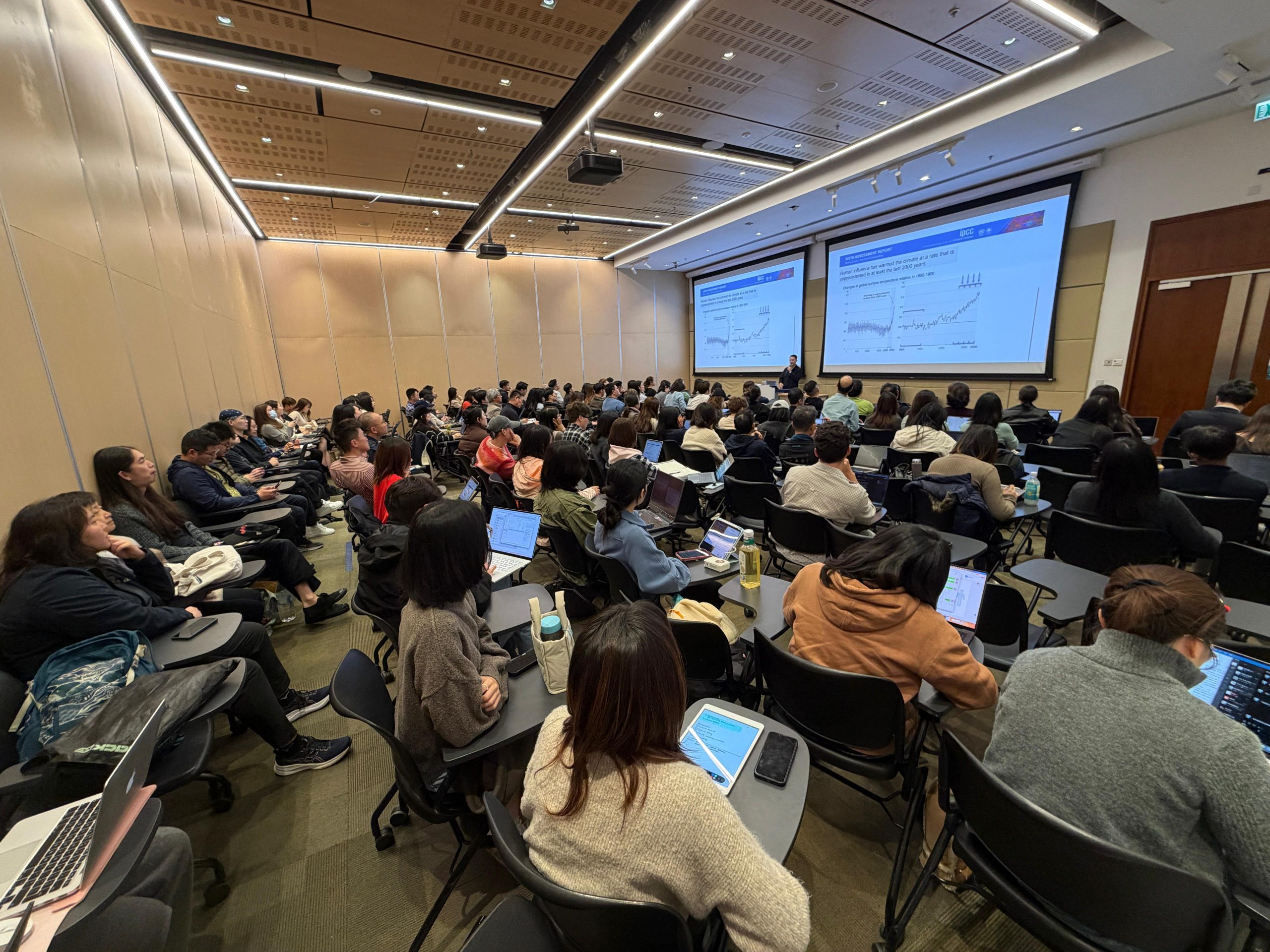
The SLG Programme gave prospective Master’s students a glimpse into one of the programme’s core courses SLGP 7007 Governance and Policy for Sustainability Transition.
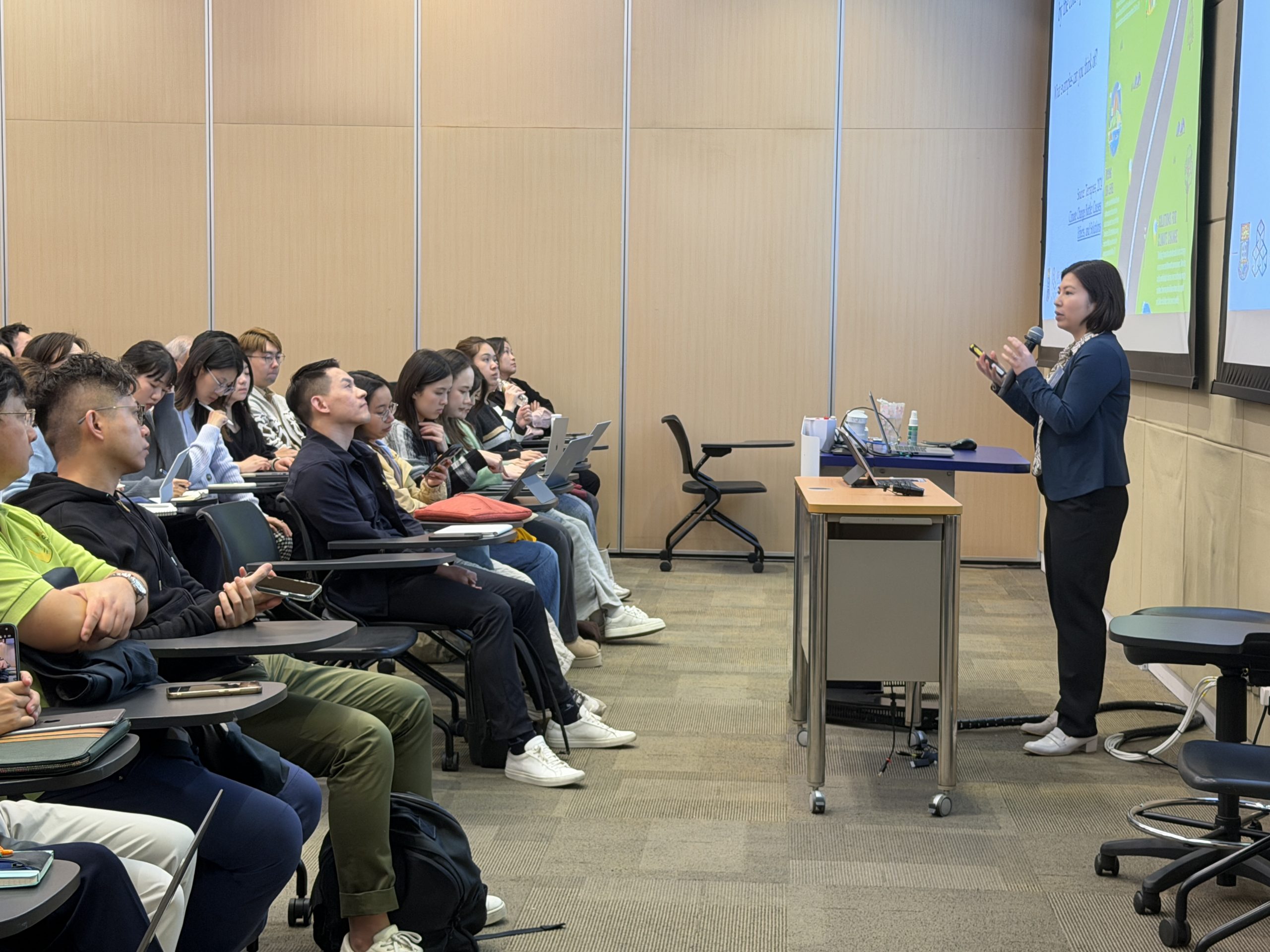
Dr Vivian Chu, Programme Co-Director and Course Coordinator, kicked off with an overview of fundamental concepts in public policy and the policy-making process, before unpacking why sustainability issues present unique challenges for policymakers. She also explored the concept of framing and how it shapes (and sometimes distorts) public understanding — especially in the context of climate change mis/disinformation.
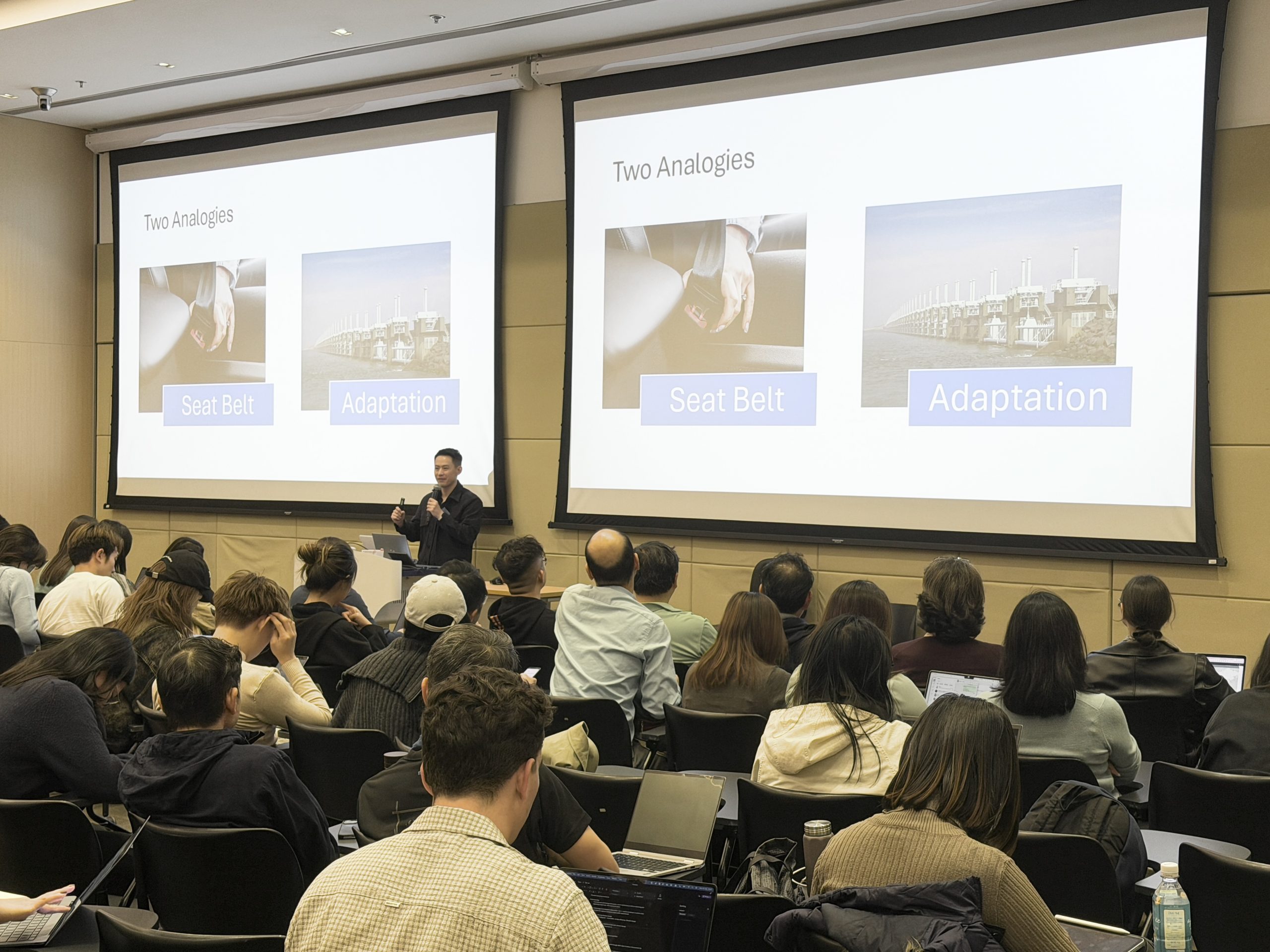
Professor Ian Li then joined to share his research on climate technology and the concept of mitigation deterrence — the concern that placing too much emphasis on solutions like Direct Air Capture (DAC) could reduce the perceived urgency or public support for cutting emissions, and potentially divert political attention, capital, or resources away from more conventional mitigation strategies. This is a critical issue: the urgency and severity of climate change demand action on all fronts — both adaptation and mitigation — which means reducing emissions at the source and deploying carbon removal measures.
His research questions include how different narratives around DAC influence people’s sense of urgency for conventional mitigation, drawing on data from a large-scale public survey. The findings offer rich insights into the complex intersections of technology, policy, and society, while revealing tensions in climate change policy shaped by public opinion.
The event offered a taste of the rich discussions students can expect in the Programme!