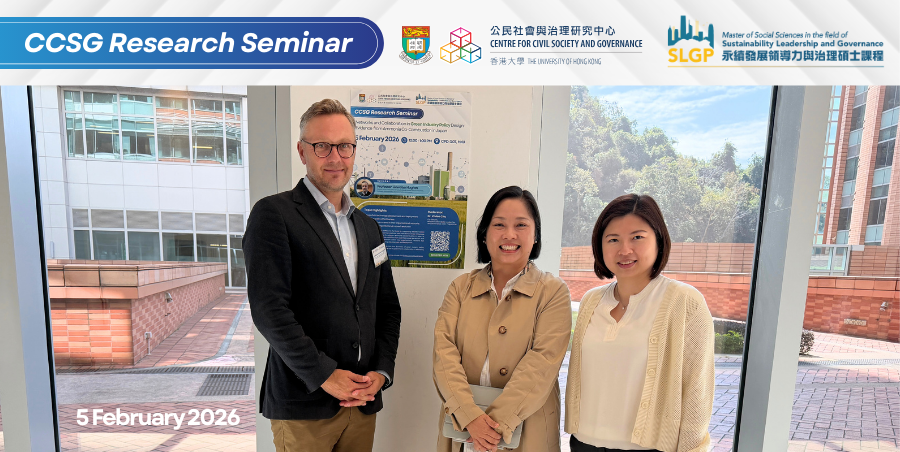
𝗖𝗖𝗦𝗚 𝗥𝗲𝘀𝗲𝗮𝗿𝗰𝗵 𝗦𝗲𝗺𝗶𝗻𝗮𝗿: 𝗡𝗲𝘁𝘄𝗼𝗿𝗸𝘀 𝗮𝗻𝗱 𝗖𝗼𝗹𝗹𝗮𝗯𝗼𝗿𝗮𝘁𝗶𝗼𝗻 𝗶𝗻 𝗚𝗿𝗲𝗲𝗻 𝗜𝗻𝗱𝘂𝘀𝘁𝗿𝘆 𝗣𝗼𝗹𝗶𝗰𝘆 𝗗𝗲𝘀𝗶𝗴𝗻: 𝗘𝘃𝗶𝗱𝗲𝗻𝗰𝗲 𝗳𝗿𝗼𝗺 𝗔𝗺𝗺𝗼𝗻𝗶𝗮 𝗖𝗼-𝗖𝗼𝗺𝗯𝘂𝘀𝘁𝗶𝗼𝗻 𝗶𝗻 𝗝𝗮𝗽𝗮𝗻
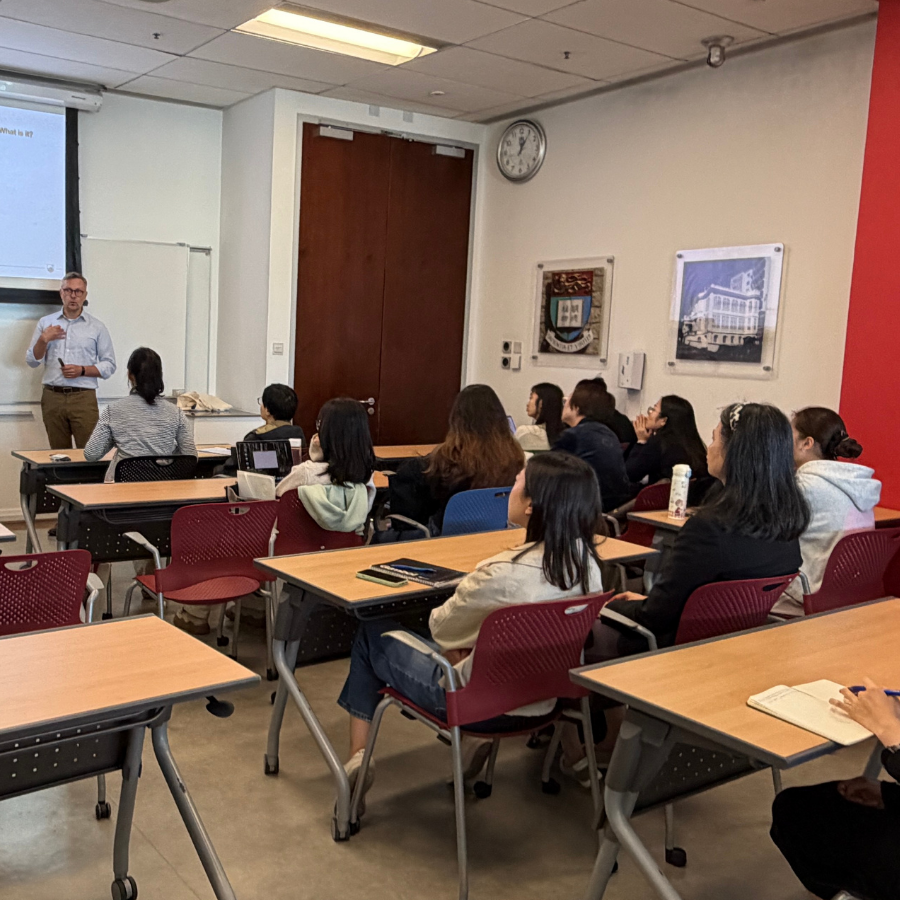
We are very pleased to share a brief recap of Professor Llewleyn Hughes’ research seminar. He uncovered fascinating insights regarding innovative policy evaluation methodology with a focus on Green Industry Policies (GIPs) — a rapidly growing policy tool used by governments worldwide to drive decarbonisation.
Like any policy intervention, evaluating the effectiveness of GIPs is essential to ensure public resources are used where they have the greatest impact. Yet this is incredibly challenging:
- Multiple policies often operate simultaneously over different time scales
- It’s impossible to fully isolate the impact of GIPs from broader economic and social changes
- Policy effects are dynamic rather than static
Results from existing studies are often difficult to compare, making it hard to identify what works, when, and why
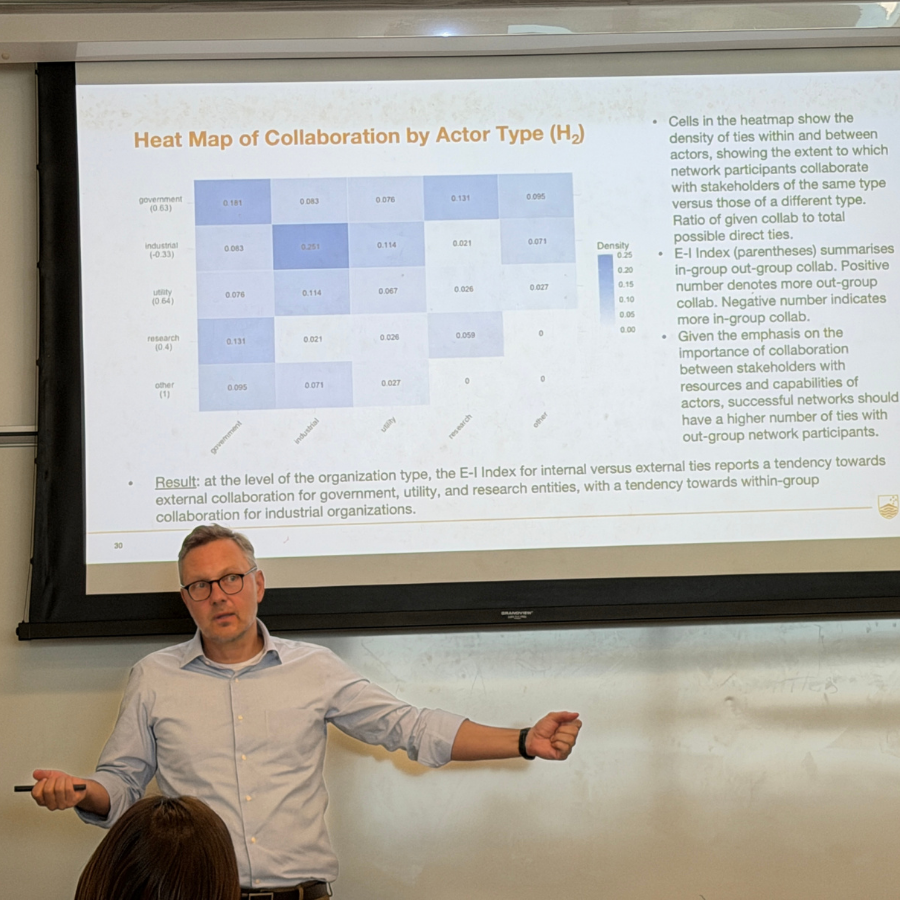
To address this, Professor Hughes introduced an innovative research methodology that maps the network structures enabling new technology development and deployment. Using empirical evidence from Ammonia Co-Combustion in Japan, he measured the diversity and centrality of actors in these networks to investigate how effective GIP enables collaboration in support of low carbon technology.
Importantly, his approach reveals how government roles and network structures evolve over time — from early-stage R&D to industry-led deployment. This opens promising new avenues for understanding how and when GIPs can deliver real, measurable decarbonisation outcomes.
📖To read and cite this work👇
– https://papers.ssrn.com/sol3/papers.cfm?abstract_id=5271452
“It is great to learn from the seminar about how to implement a green industry policy successfully and applying the network theory in the research. Professor Hughes presented his work in a very succinct way that can be easily understood by graduates and students alike. Looking forward to future seminars and opportunities for more sharing in the future.” – Charlene Ng (SLGP graduate 2021)